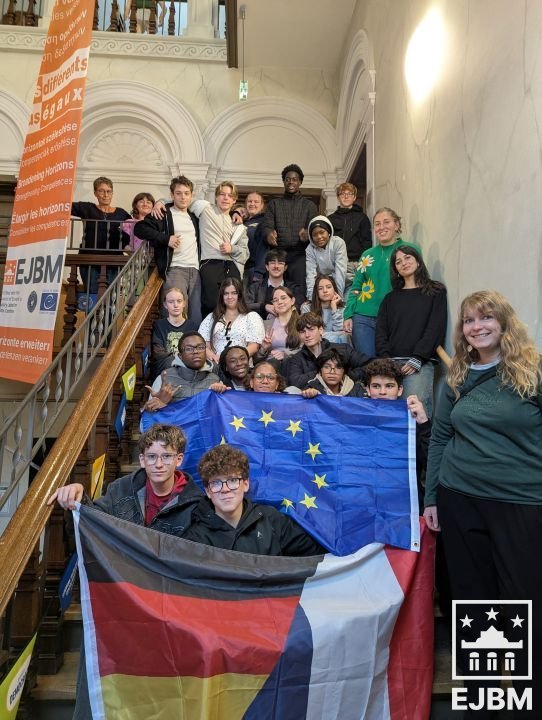
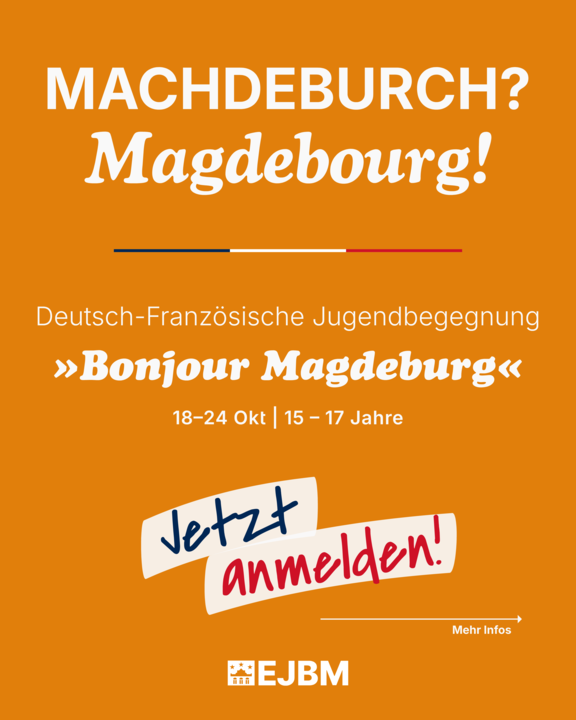
One city, two countries, and a shared history: From 18 to 24 October 2026, young people from Germany and France came together in Magdeburg to explore the city's Franco-German past. During the international youth exchange “Bonjour Magdeburg!”, participants discovered historical connections, explored lesser-known aspects of the city's history, and documented their findings through their own creative media projects.
French Traces in Magdeburg
Magdeburg and France have more in common than you might think. The Napoleonic era, in particular, left its mark on the city's history. But history isn't just found in historical documents or museums – it can also be discovered in the cityscape and in stories passed down through generations.
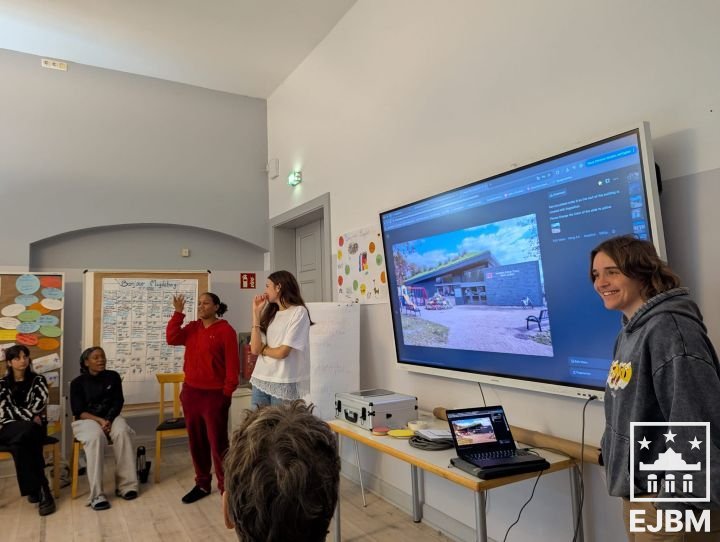
This is exactly where the Franco-German youth exchange came in. Together, the participants explored Magdeburg and learned about the historical ties between Germany and France. They also looked at how history is told, remembered, and perceived from different national perspectives.
Exploring the past together created opportunities for conversations and discussions. After all, history doesn't mean the same thing to everyone – and bringing together young people from both countries allowed them to share and compare their different perspectives.
Telling History Creatively
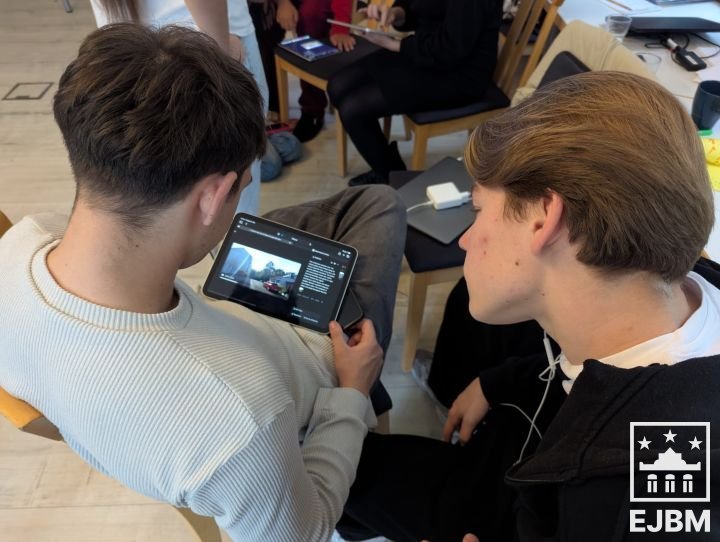
Creative media work was an important part of the youth exchange. Through their own projects, participants had the opportunity to creatively present what they had discovered around the city. Whether through videos, podcasts, or other formats, the focus was on actively engaging with history and exploring the topics that interested them most.
This turned the exploration of the past into a hands-on, collaborative experience, combining historical research, creative ideas, and teamwork in international groups.
A Week of Franco-German Exchange
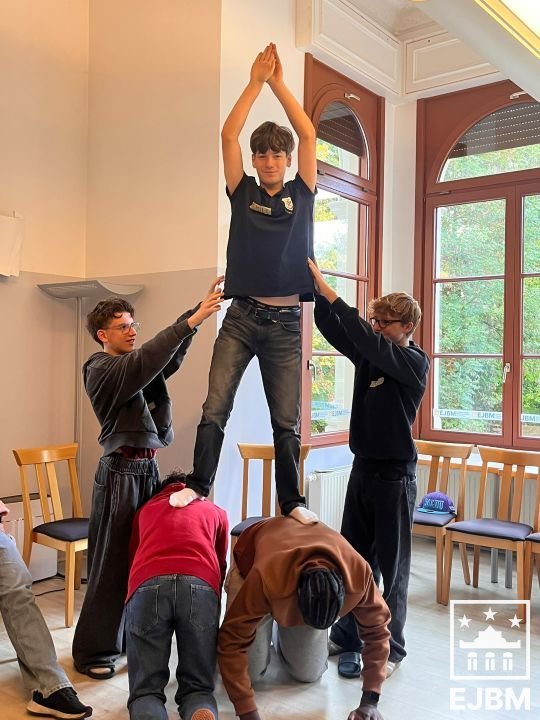
There was plenty going on outside the official programme, too! Every morning, the group started the day with a language activity to practise communicating with one another. During intercultural evenings, participants shared food and dances from both countries, while board games provided not only lots of fun but also a few linguistic challenges. And sometimes, it was simply about showing each other their funniest memes and trying to explain them – which wasn't always as easy as it sounds!
A big merci to all participants and everyone involved, as well as to the Franco-German Youth Office (FGYO/DFJW) and Erasmus+, whose support made this project possible!