
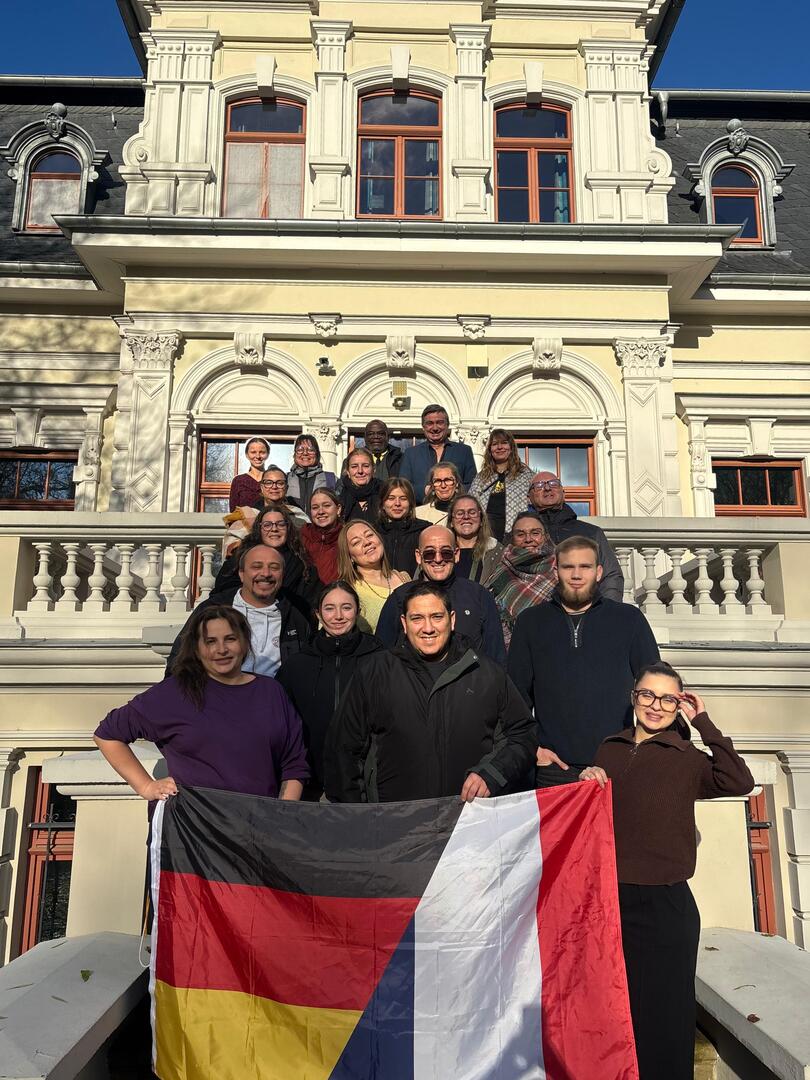

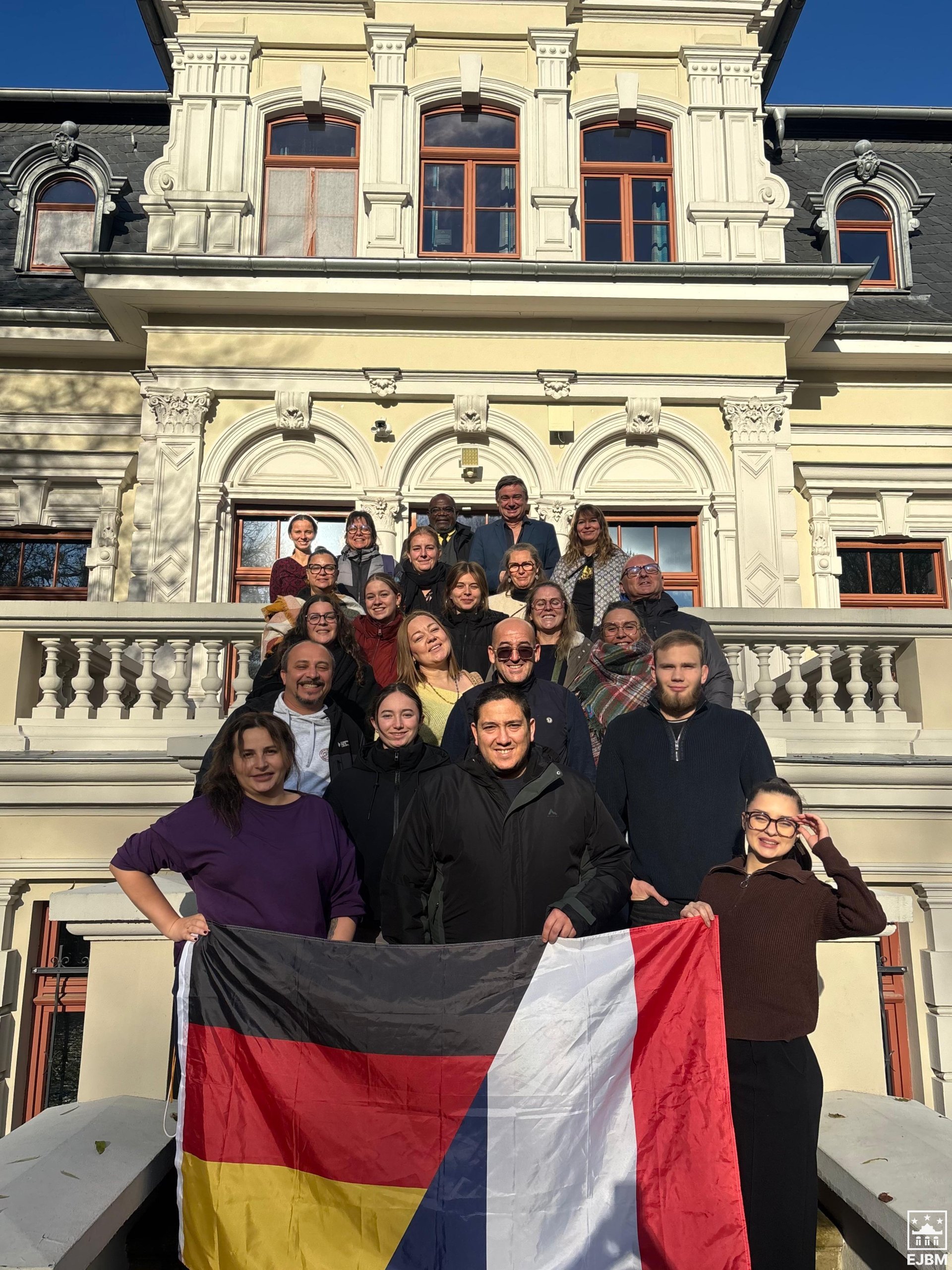
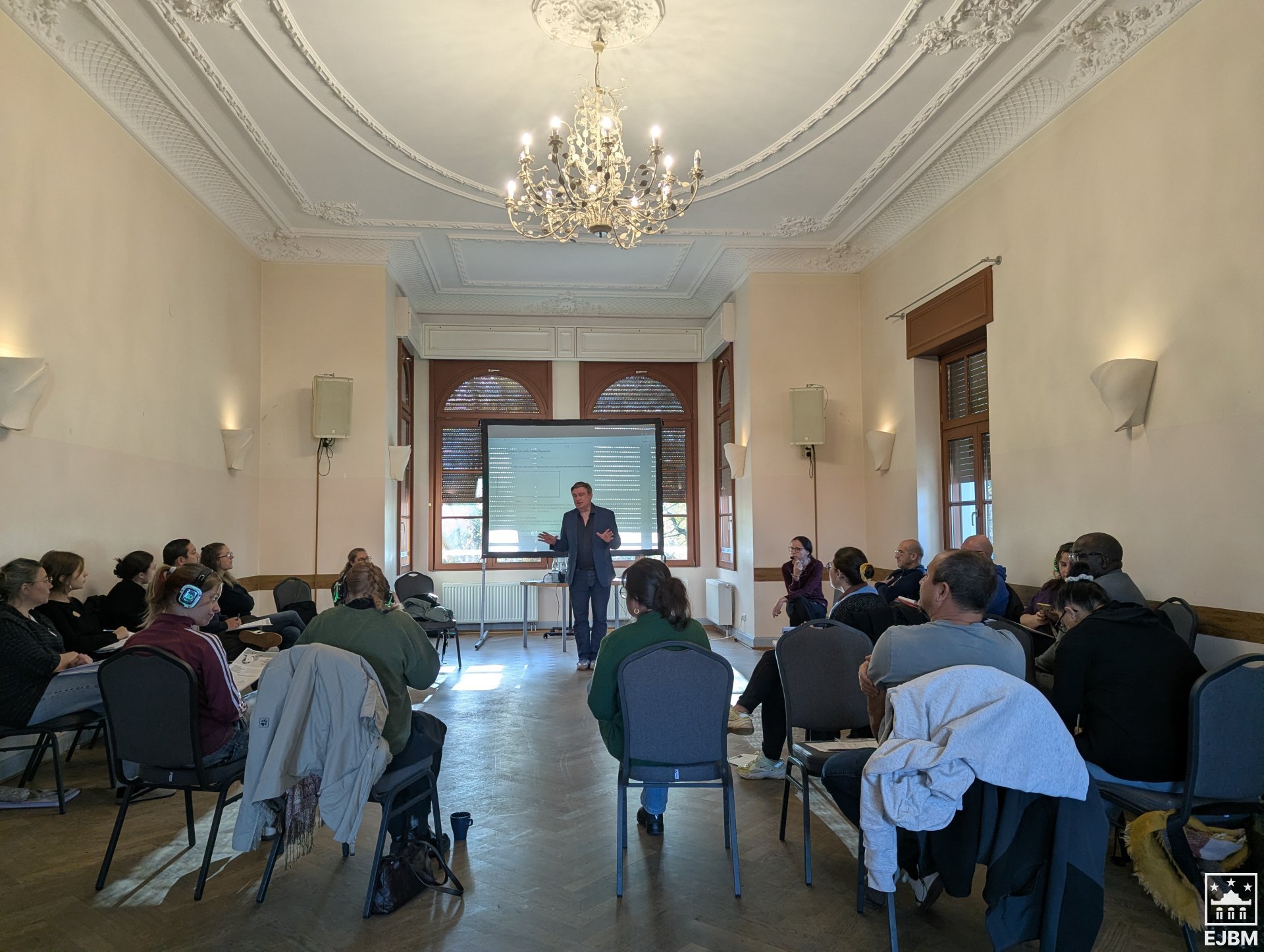
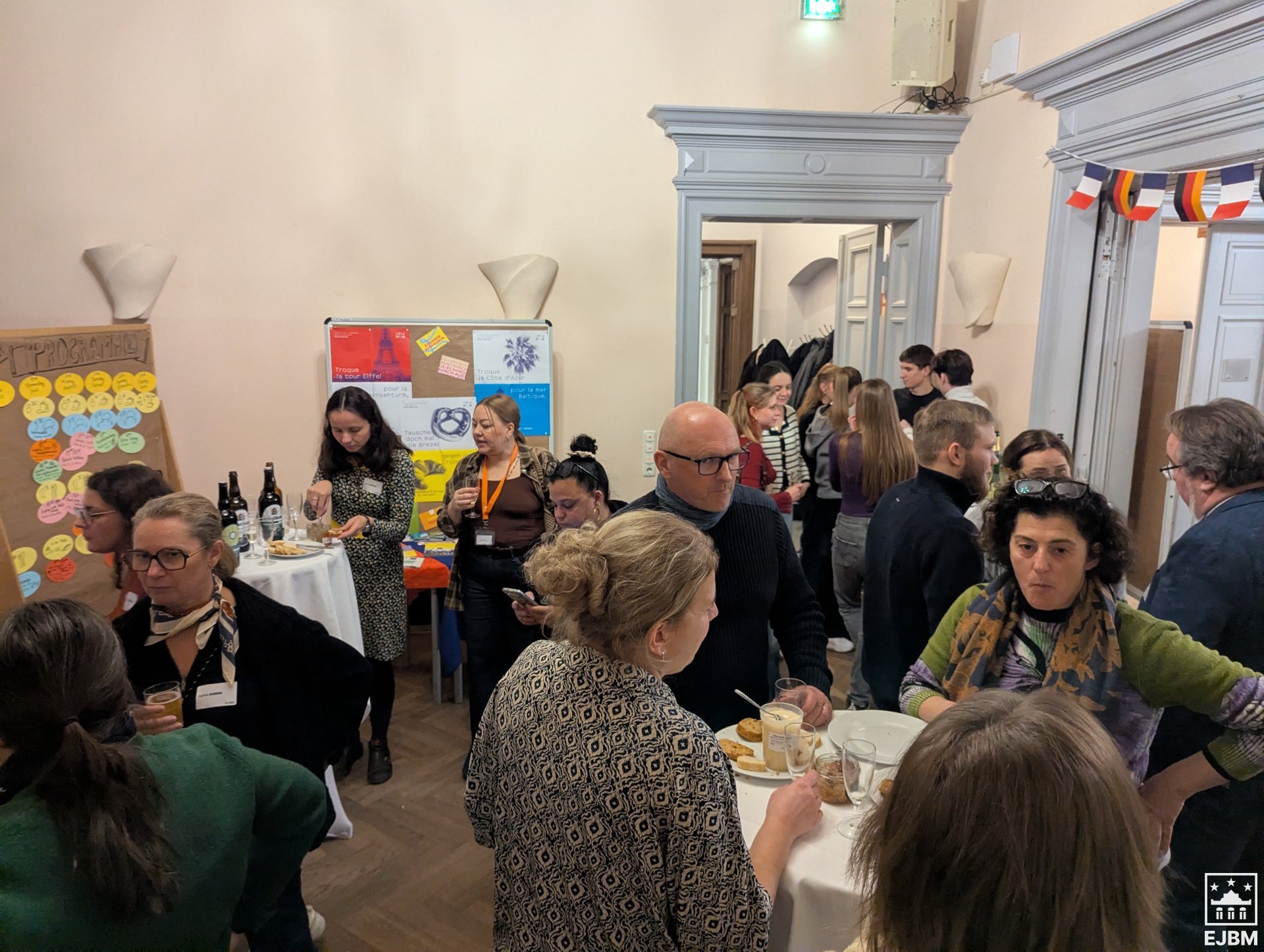
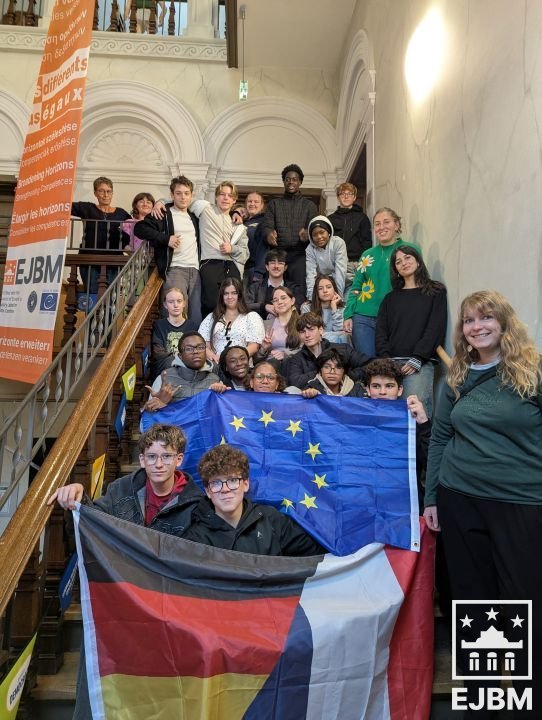
How can successful Franco-German youth exchanges be developed? How can new partnerships be established and existing cooperation strengthened? And what does the future hold for cooperation between Saxony-Anhalt and its French partner region, Centre-Val de Loire? From 18 to 23 November 2026, youth work professionals from Germany and France came together at the European Youth Education Centre Magdeburg (EJBM) to explore these questions.
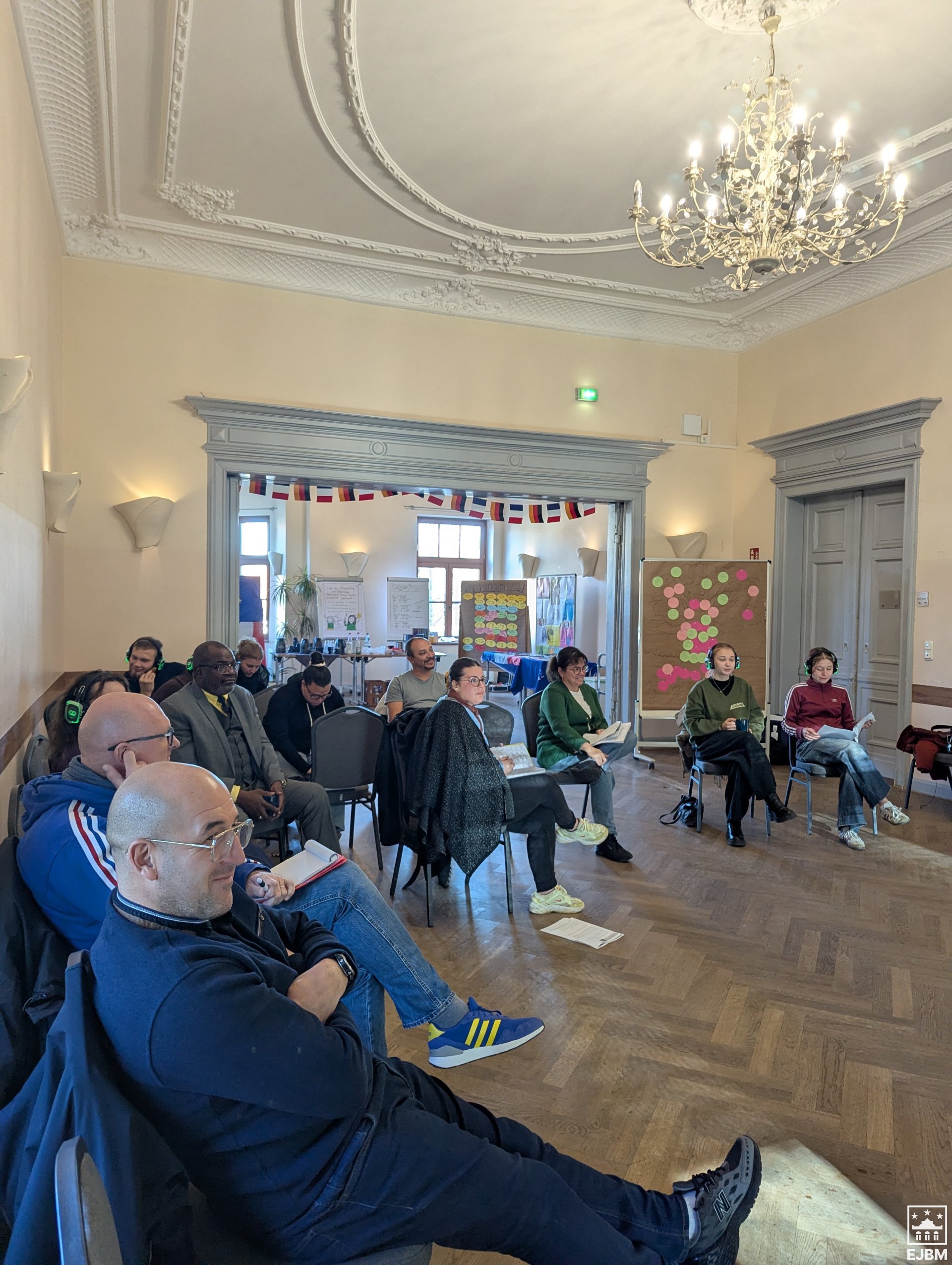
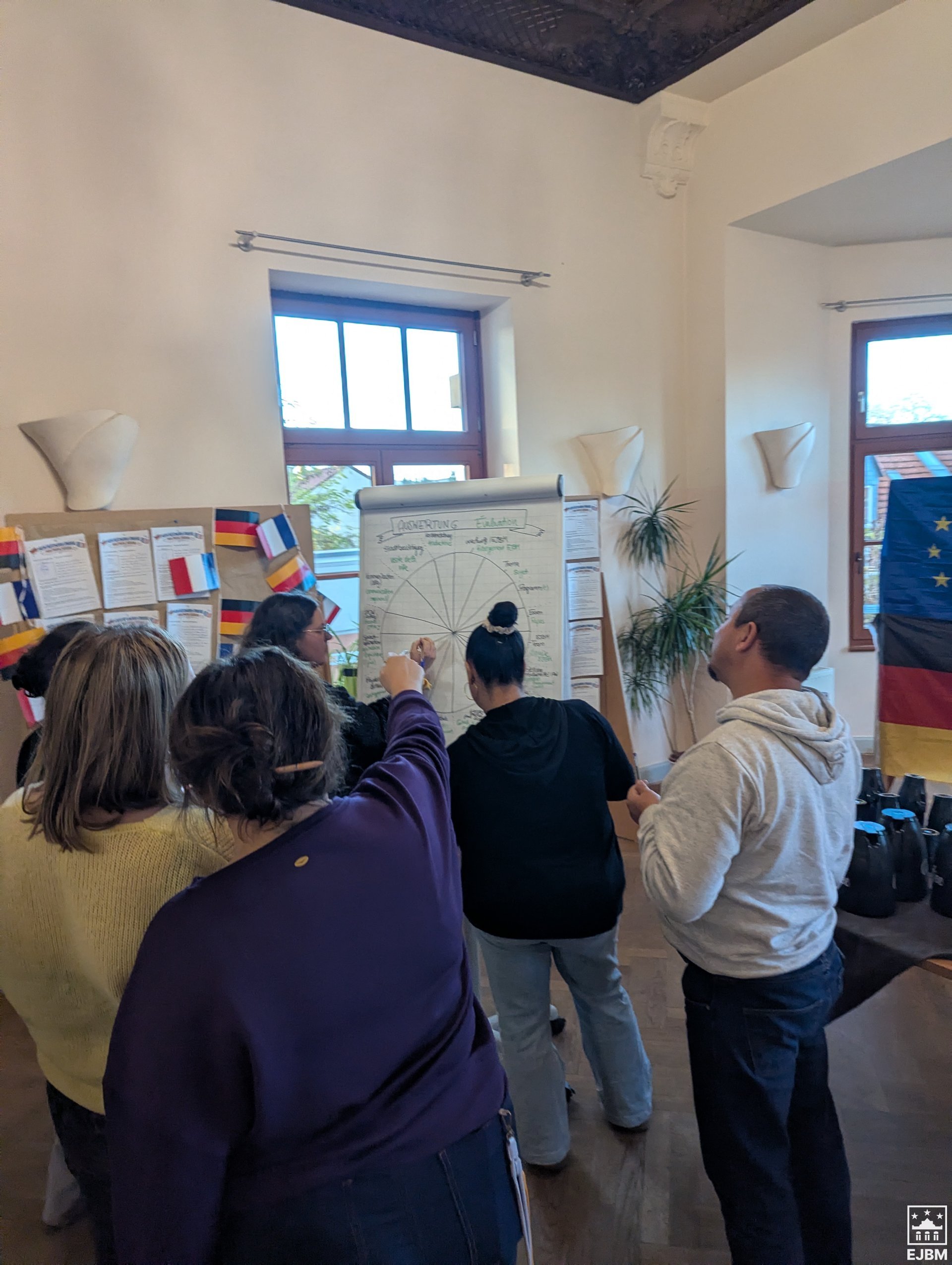
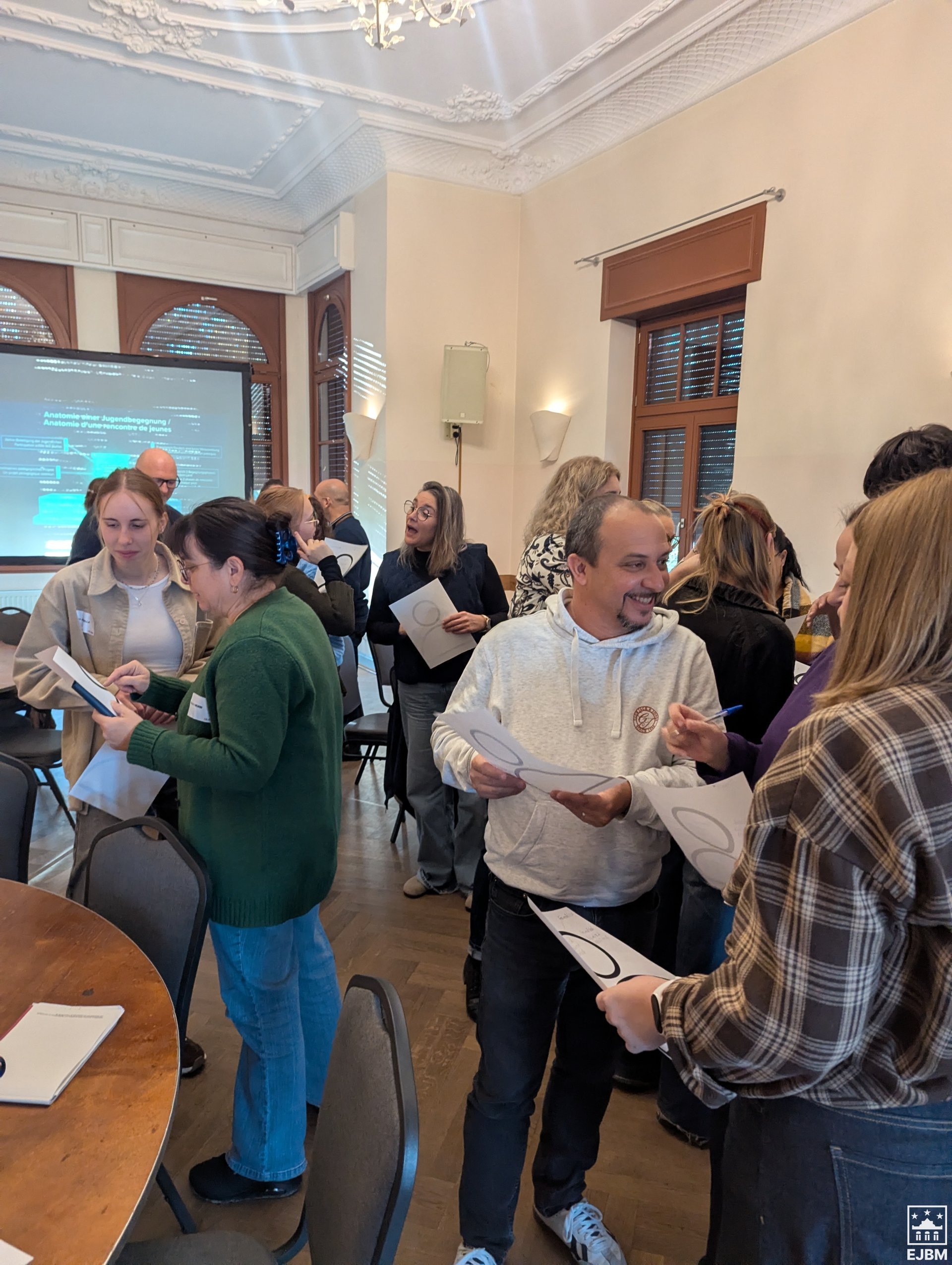
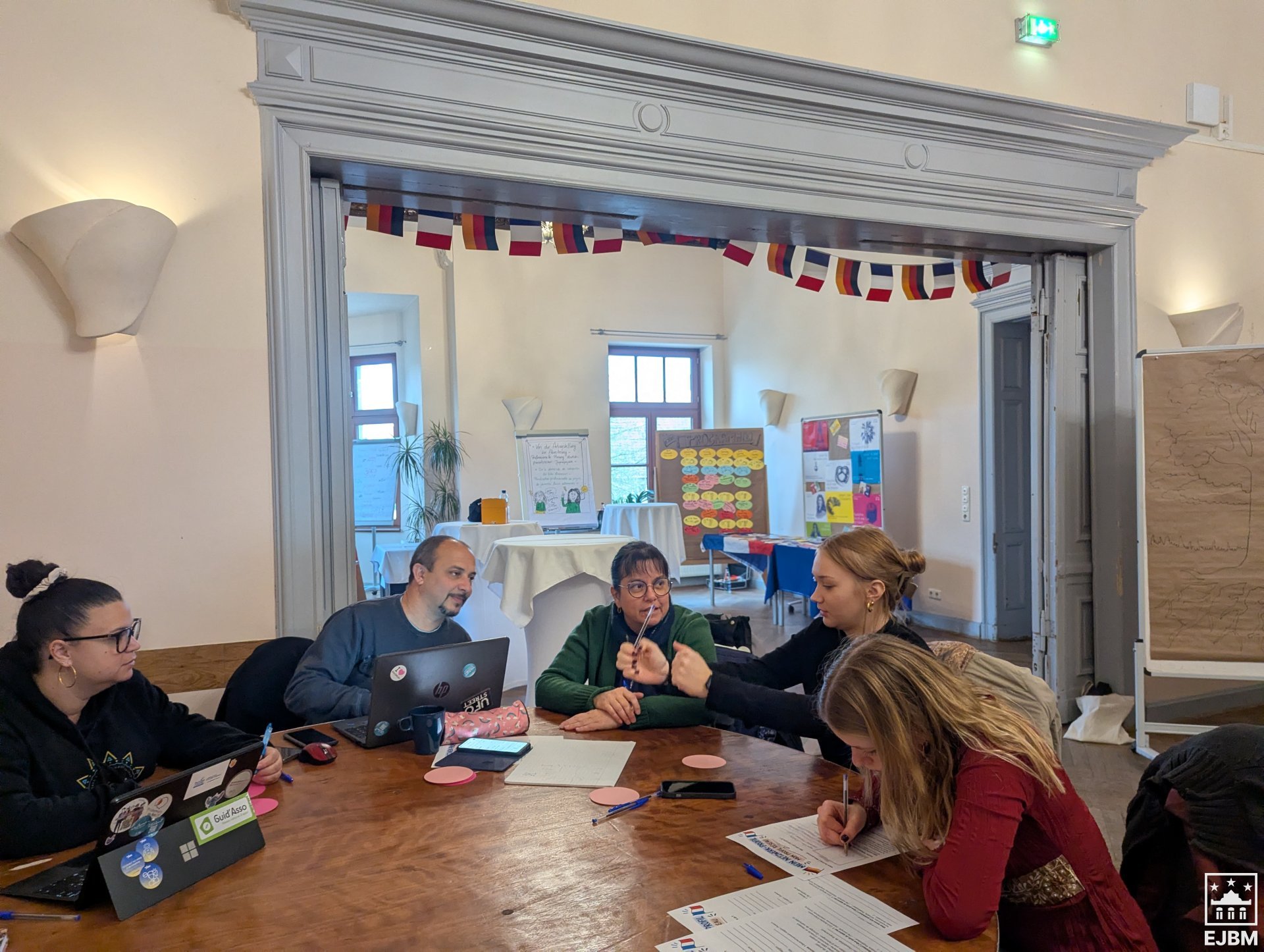
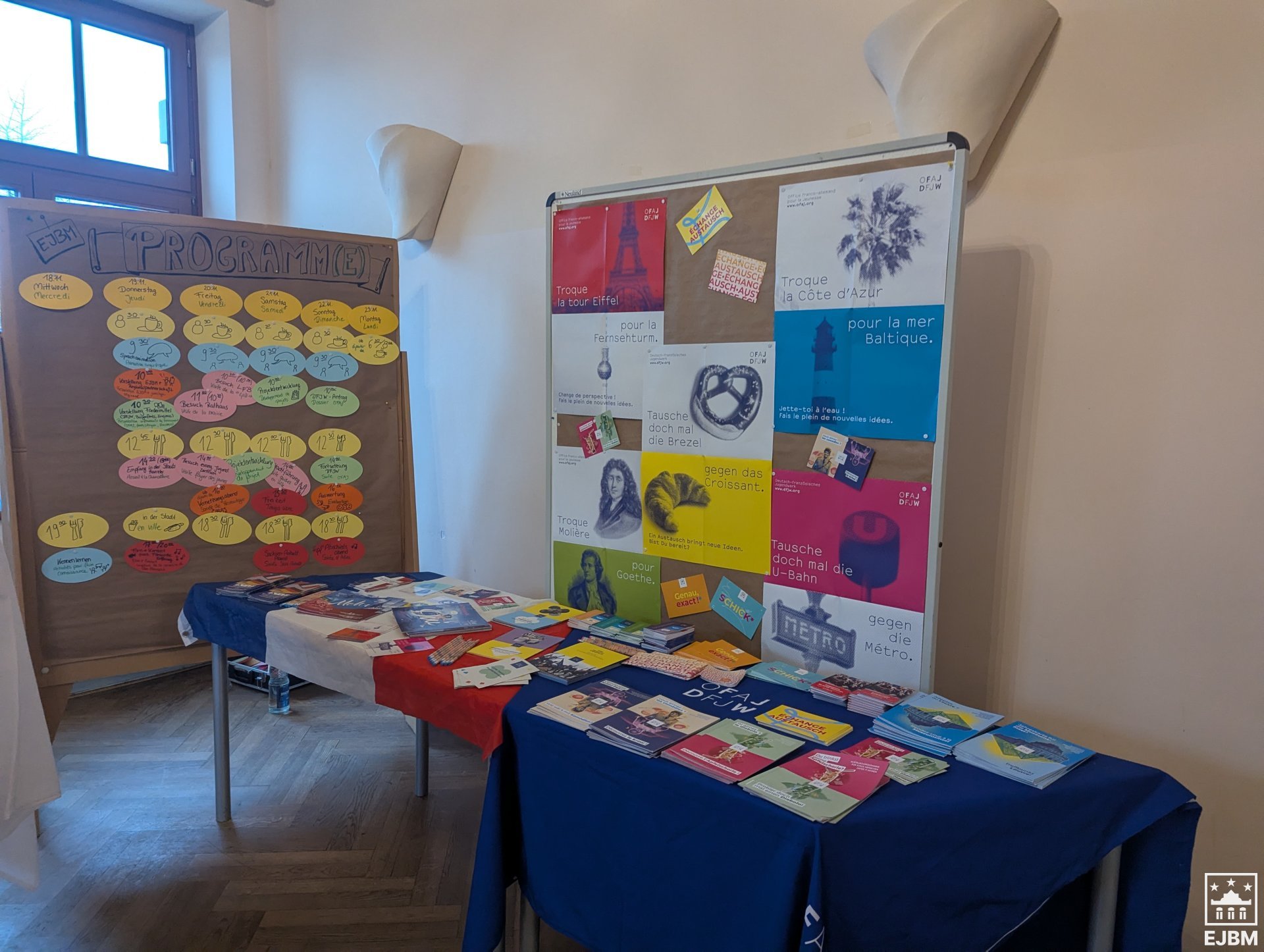
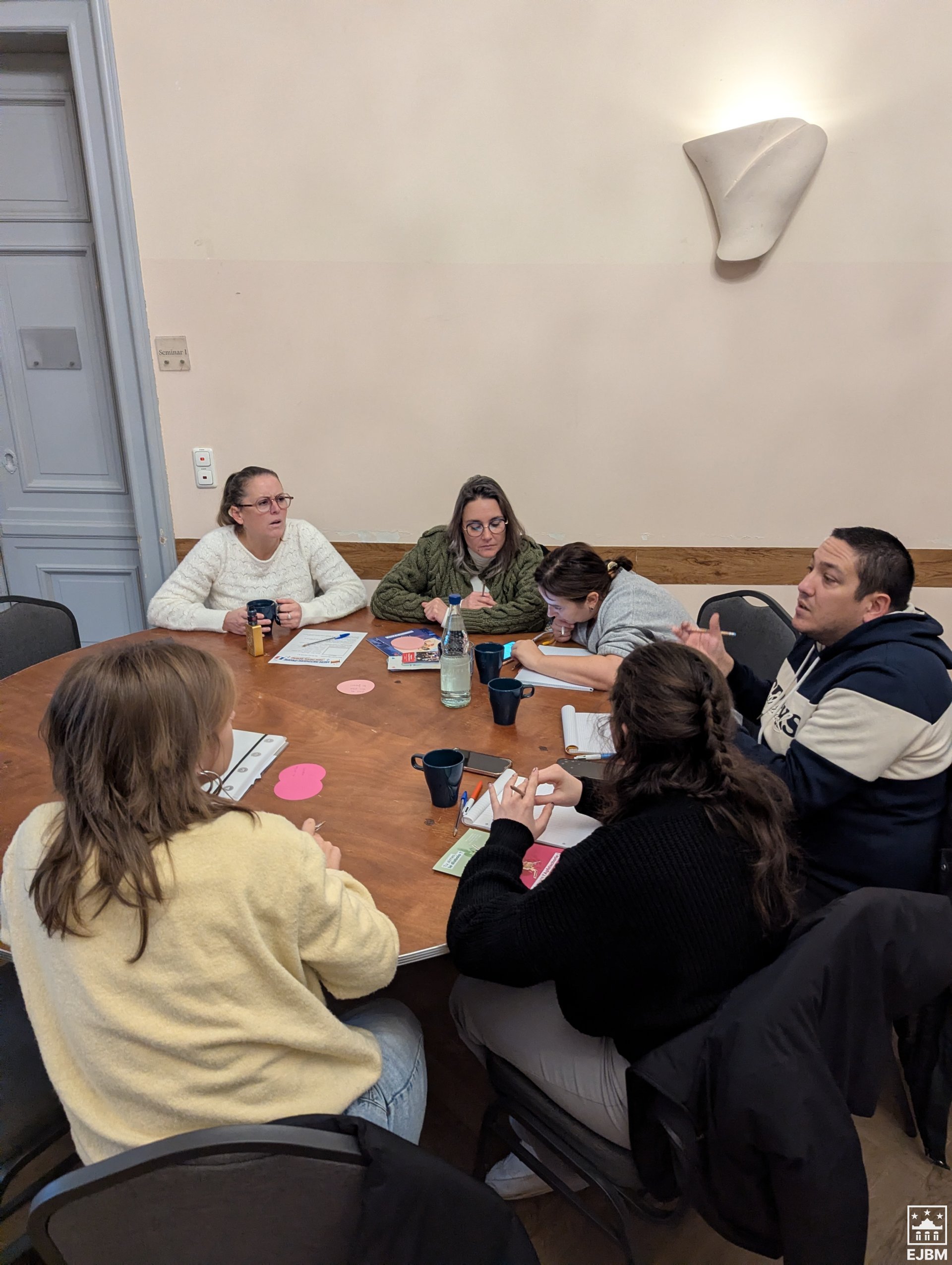
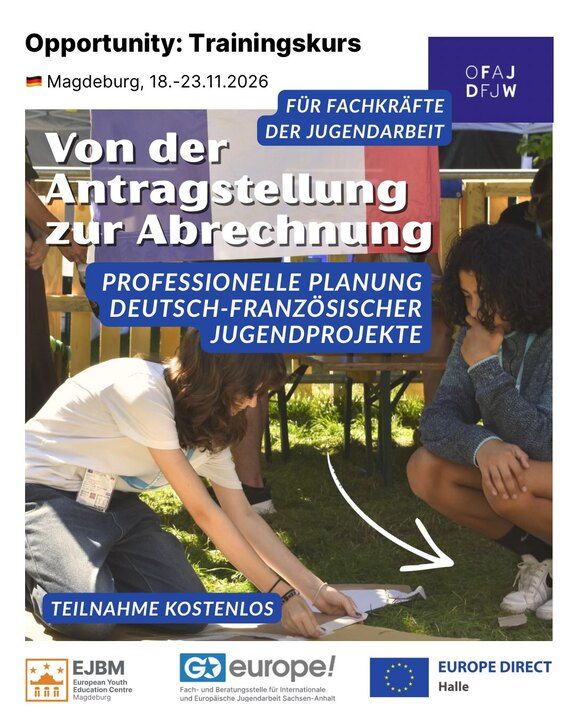
Under the title “From Application to Final Reporting – Professional Planning of Franco-German Youth Projects”, the EJBM organised a six-day international training course in close cooperation with the Franco-German Youth Office (FGYO) and its French partner organisation, CRIJ Centre-Val de Loire. The training focused on developing practical skills for planning, funding, implementing and reporting on Franco-German youth projects. Working in binational groups, participants developed their own project ideas, explored funding opportunities and gained detailed insights into the funding application process.
Franco-German youth work has long held a special place in the EJBM’s activities. Particularly close ties exist with the French region of Centre-Val de Loire, which has maintained an official regional partnership with Saxony-Anhalt since 2004. Through regular youth exchanges, professional development activities and networking among youth work organisations, the EJBM helps bring this partnership to life at civil society level. The future of the regional partnership and ways to sustain and further develop youth exchanges between the two regions were therefore also central topics of the training course.
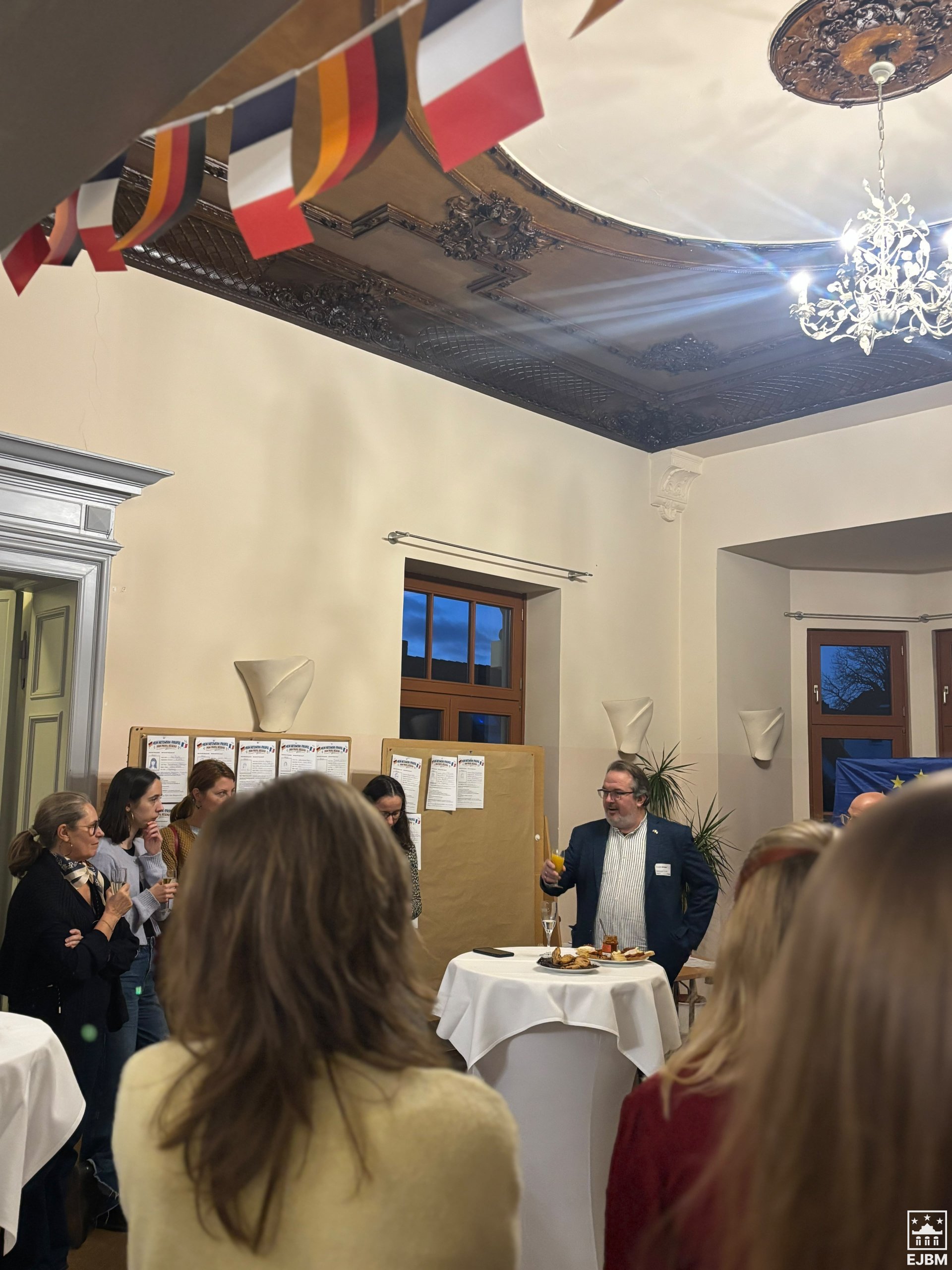
A particularly welcome occasion for both the EJBM team and the participants was the visit of Tobias Bütow, German Secretary General of the Franco-German Youth Office. Born in Magdeburg, he maintains close ties to his home region. As the FGYO’s only partner organisation in Saxony-Anhalt and host of an official FGYO information point, the EJBM plays a special role in promoting Franco-German youth exchanges across the region.
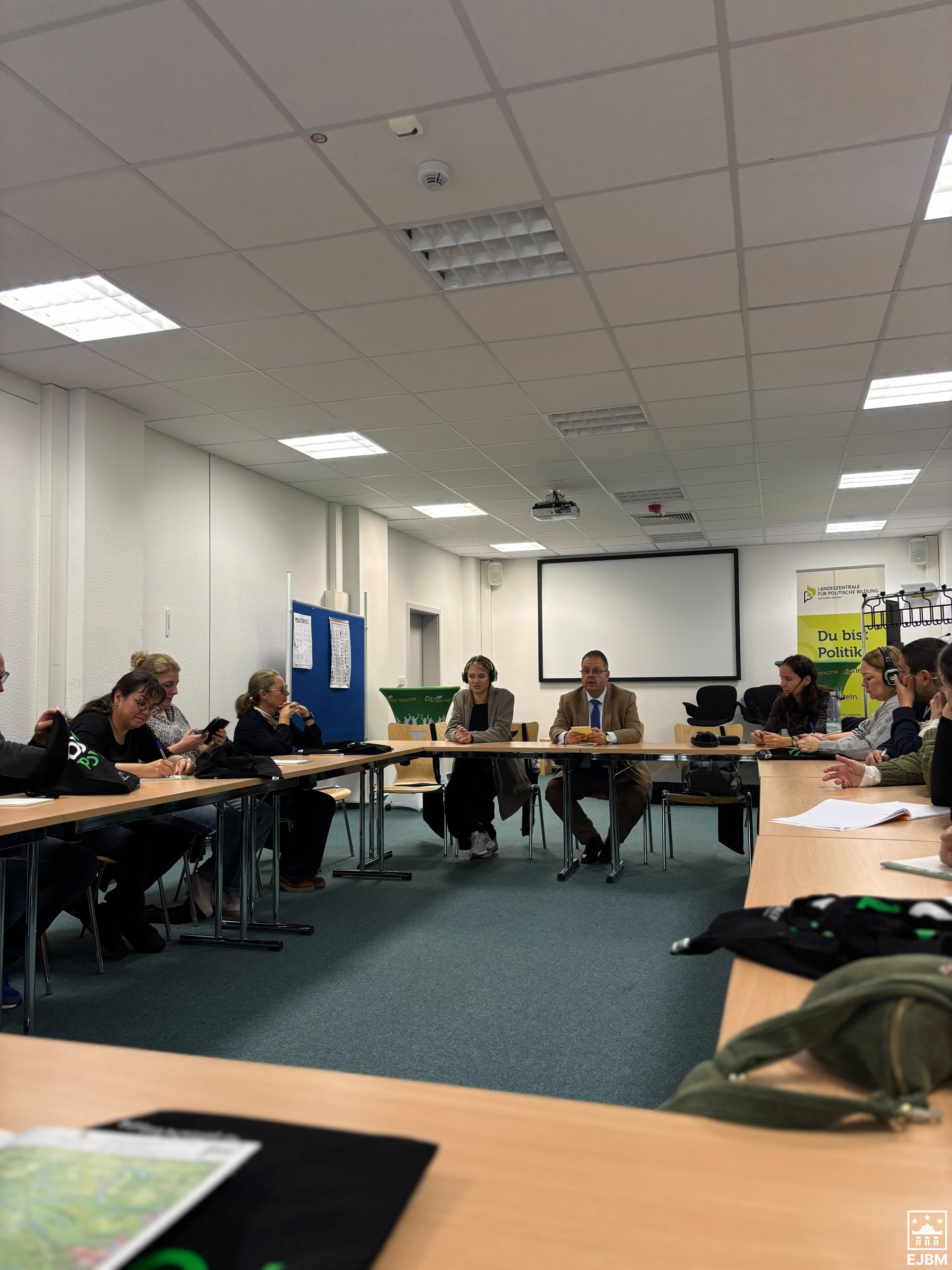
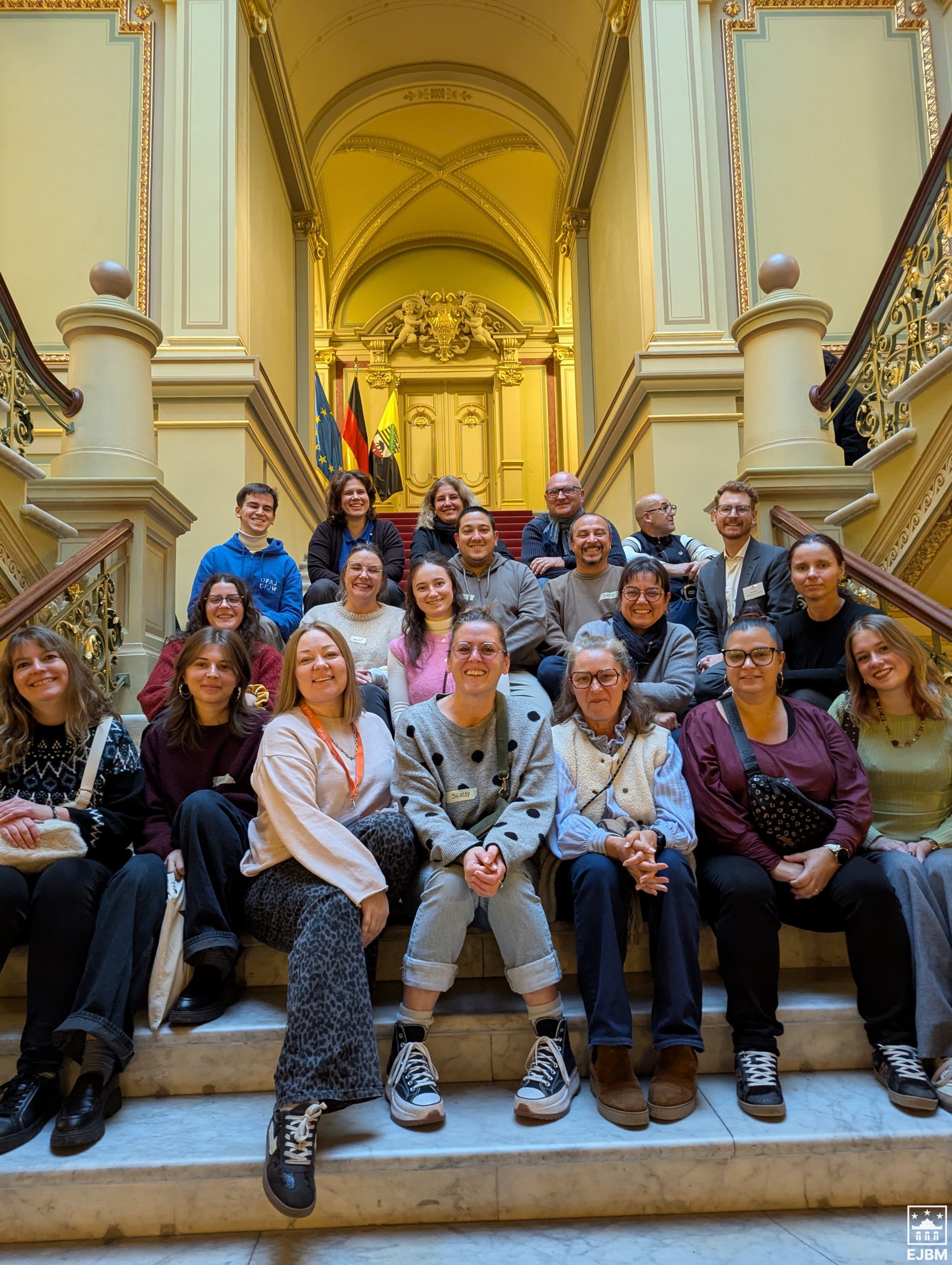
Another highlight of the programme was the official reception at the State Chancellery of Saxony-Anhalt on 19 November. At the Palais am Fürstenwall, participants gained insights into the history and current developments of the regional partnership. Julie Burgheim, Director of the Institut français Sachsen-Anhalt, also introduced the work of her institution. A joint visit to the State Agency for Civic Education of Saxony-Anhalt was another part of the programme.
At a time when European cohesion and international cooperation face significant challenges, personal encounters and long-standing partnerships are more important than ever. Franco-German friendship thrives not simply on political agreements, but above all on the people who actively shape it and pass it on to future generations. By equipping youth work professionals with the skills, knowledge and networks they need, the EJBM helps lay the foundations for this continued cooperation.
We would like to extend our sincere thanks to the Franco-German Youth Office, the State Chancellery and Ministry of Culture of Saxony-Anhalt, as well as to all partner organisations and participants whose commitment and enthusiasm contributed to the success of the training course.

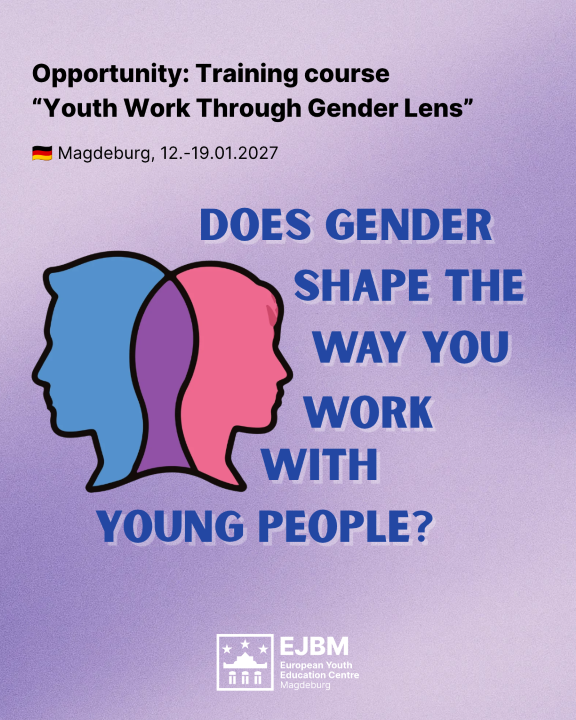
How does gender shape the way we work with young people? Join our international training course “Youth Work through a Gender Lens” to explore gender stereotypes, challenge discrimination and discover practical ways to make youth work more inclusive. Through interactive activities and peer learning, you will develop tools and ideas to promote gender equality in your organisation and local community.
Participation in an international training course at the European Youth Education Centre (EJBM) is free of charge. Accommodation in shared rooms and full board are included.
The Training Course „Youth Work through Gender Lense“ brings together youth workers, youth leaders, trainers and volunteers to explore gender equality and its relevance to everyday youth work.
Through interactive methods, practical exercises and peer learning, participants will reflect on gender stereotypes, discrimination and their own attitudes and practices. They will develop tools and strategies to make their youth work more gender-sensitive and inclusive. The aim of the course is to empower participants to become multipliers for gender equality and take concrete action within their organisations and local communities back home.
We are looking for youth workers, youth leaders, trainers, facilitators and volunteers who:
The detailed schedule for the week will be shared later.
Afternoon of 12 January 2027
After breakfast on 19 January 2027
Travel expenses will be reimbursed based on Erasmus+ rules, up to a certain limit.
The Erasmus+ Programme Guide for 2024 has updated the reimbursement rates for travel costs based on distance, and the new values are as follows:
| Distance | Green Travel (€) / person | Non-Green Travel (€) / person |
|---|---|---|
| 10–99 km: | €56 | €28 |
| 100–499 km: | €285 | €211 |
| 500–1,999 km: | €417 | €309 |
| 2,000–2,999 km: | €535 | €395 |
| 3,000–3,999 km: | €785 | €580 |
| 4,000–7,999 km: | €1,188 (both green and non-green travel) | |
| 8,000 km or more: | €1,735 (both green and non-green travel) | |
You can get an estimate of the distance that applies to you with the Erasmus+ Distance Calculator.
Green Travel: Travel that use low-emissions means of transport for the main part of the travel, such as bus, train, bike or car-pooling. Please check the Eramus+ Programme Guide for further information.
International training courses in the international educational and youth work field offer diverse opportunities for educators, youth workers and volunteers to enhance their skills and knowledge on a global scale. These courses typically cover pedagogical techniques, curriculum development, and educational technology, fostering a cross-cultural perspective.
Participants engage in collaborative learning, gaining insights into varied teaching methodologies, youth engagement strategies, and cultural nuances. Ultimately, these programs equip educators and youth workers with the tools to create more inclusive and effective learning environments and youth development initiatives.
The EJBM regularly offers various international training courses in Magdeburg with different topics and learning objectives.
EJBM training courses are primarily aimed at professionals who are currently actively involved in youth work. Volunteers in the field are also invited to attend. If there are more applications than places available, a pre-selection procedure will take place.
Values in Action – Building Partnerships for Human Rights, Democracy and European Values
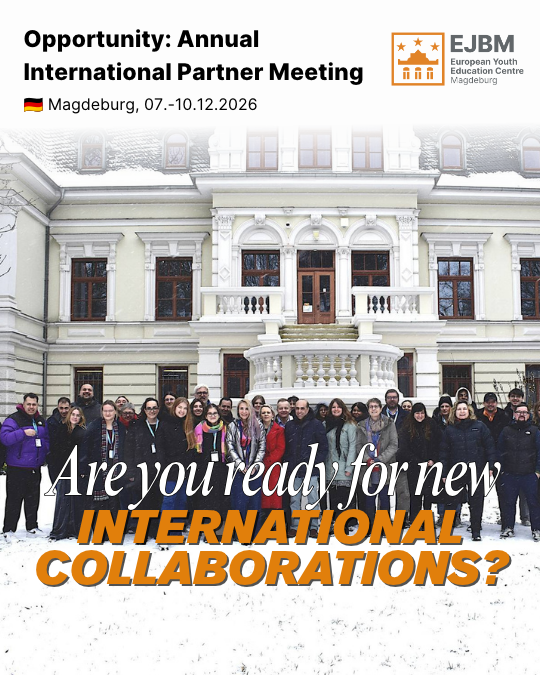
We are excited to announce that this year's Annual International Partner Meeting, taking place from 7–10 December 2026 at the European Youth Education Centre Magdeburg (EJBM), is now also open to new organisations interested in international cooperation!
Read more: New Partners Welcome: Join Our International Partner Meeting 2026!

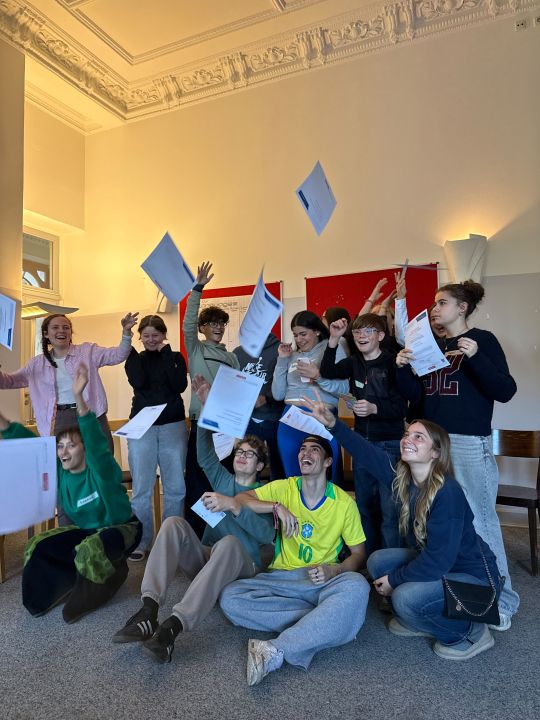
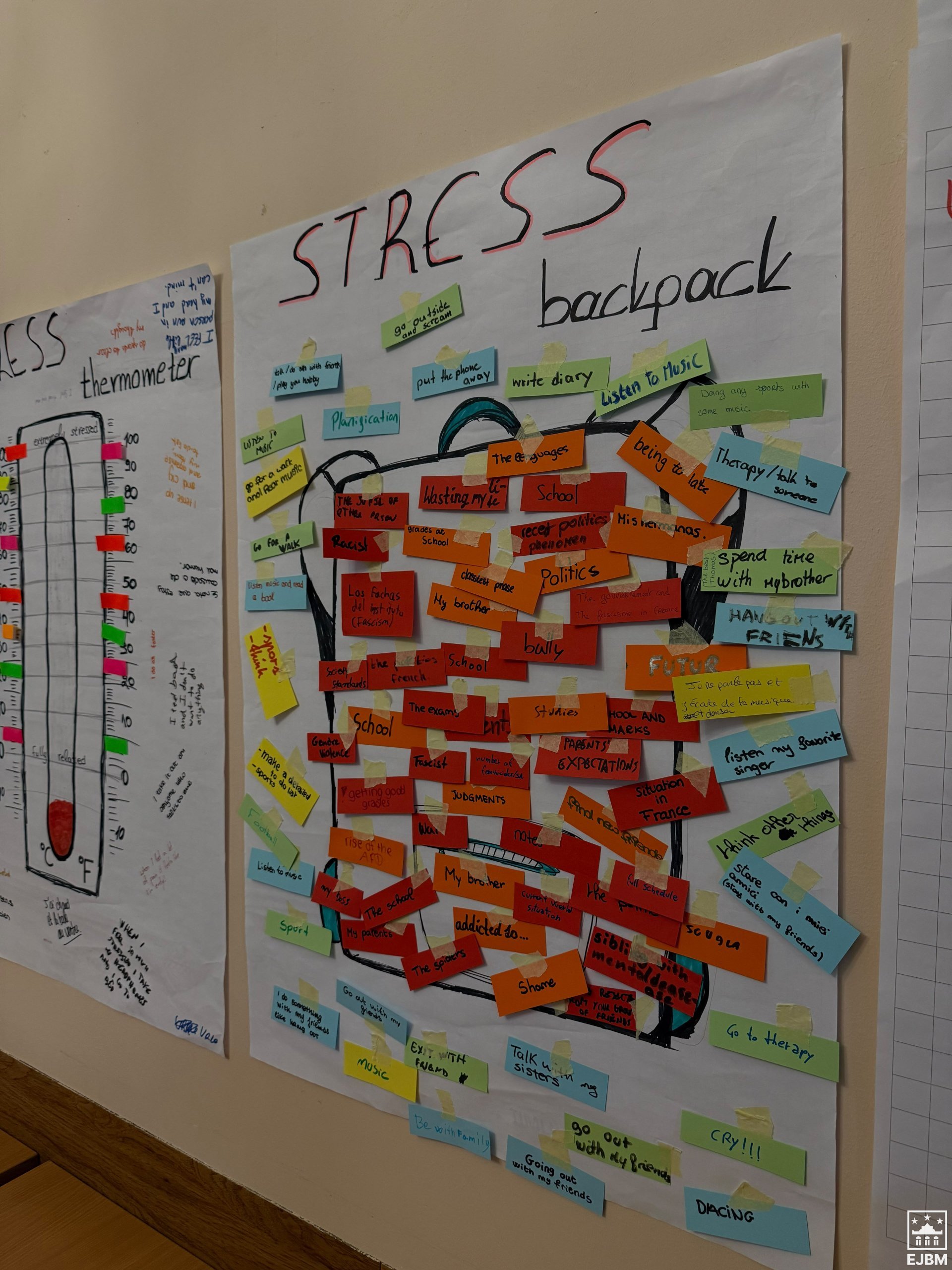
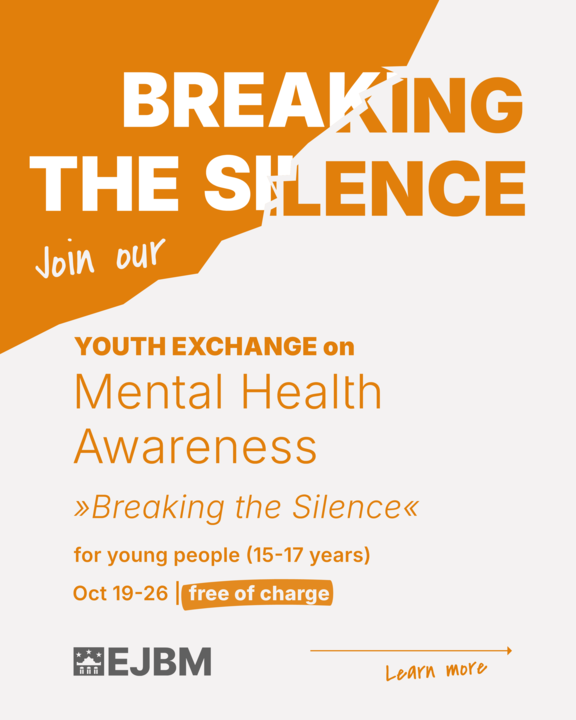
Talking about mental health is not always easy. Yet it is a topic that affects all of us, especially young people who face a wide range of challenges, expectations and stressful situations in their everyday lives. How can we take better care of ourselves? How can we recognize when someone else is struggling? And how can we support one another? These were just some of the questions explored by young people from Germany, France, Italy and Spain during the international youth exchange “Breaking the Silence: Youth for Mental Health Awareness”, which took place from October 19 to 26, 2026, at the European Youth Education Centre Magdeburg (EJBM).
Read more: International Youth Exchange brings new perspectives to mental health
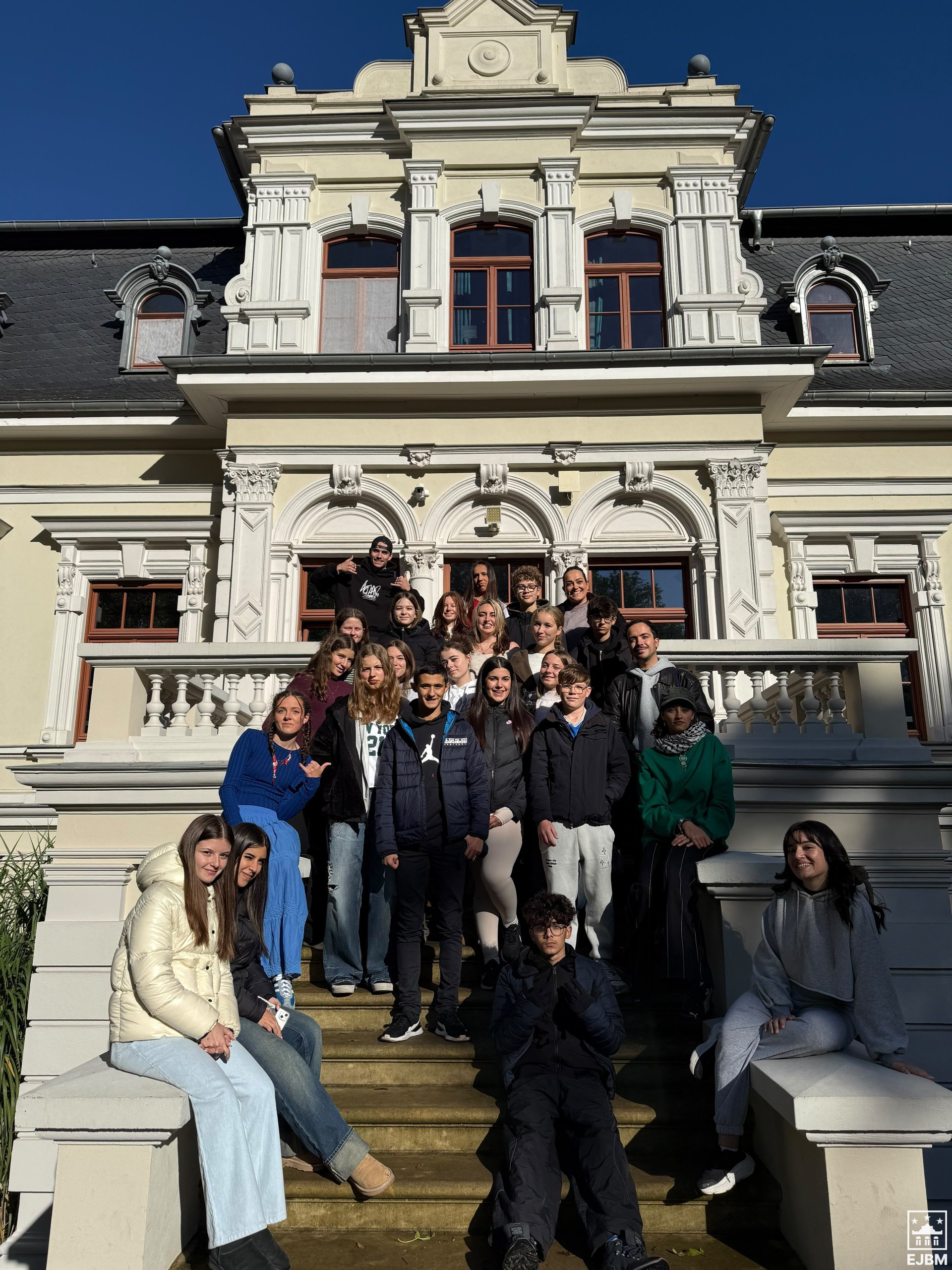
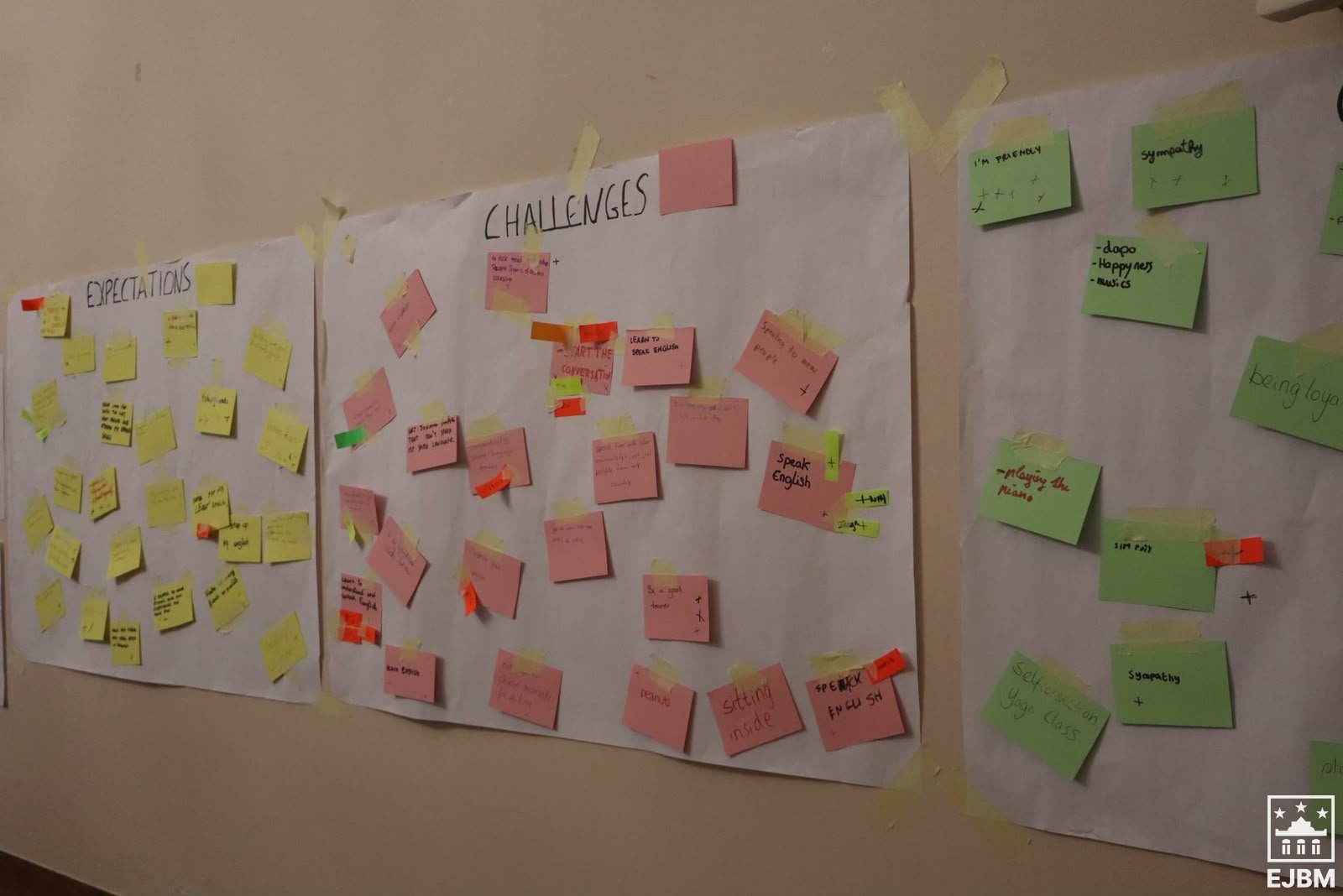
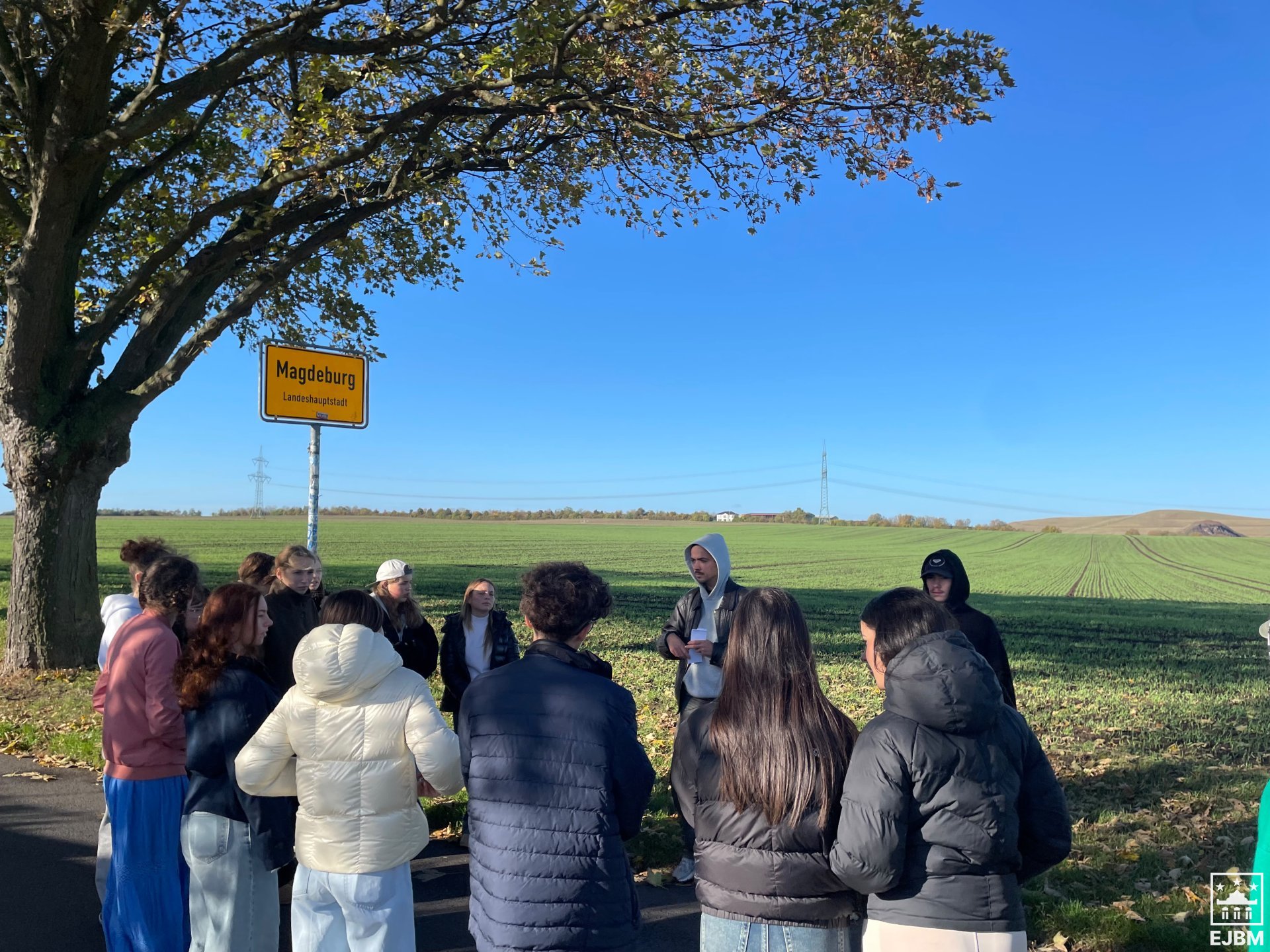
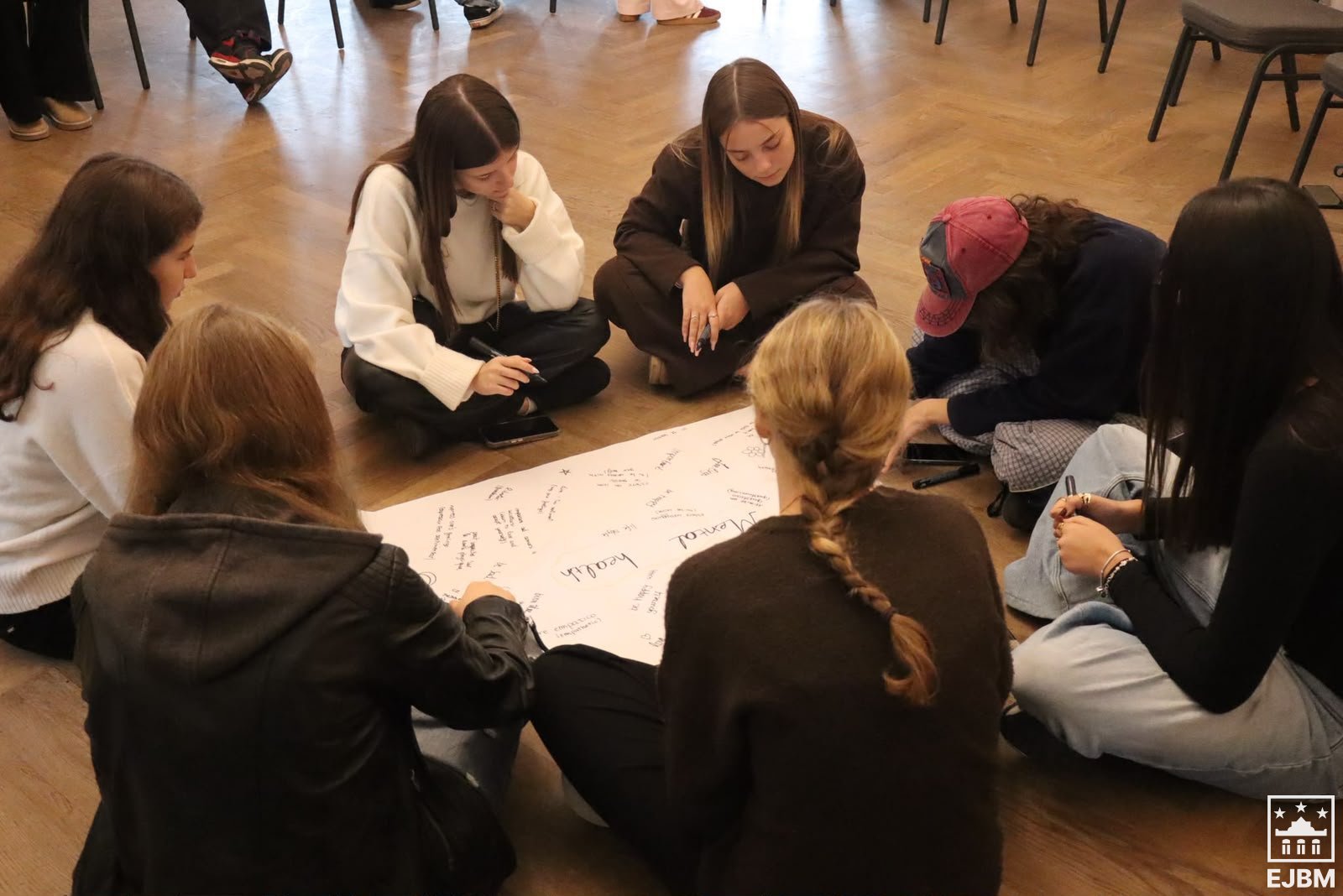
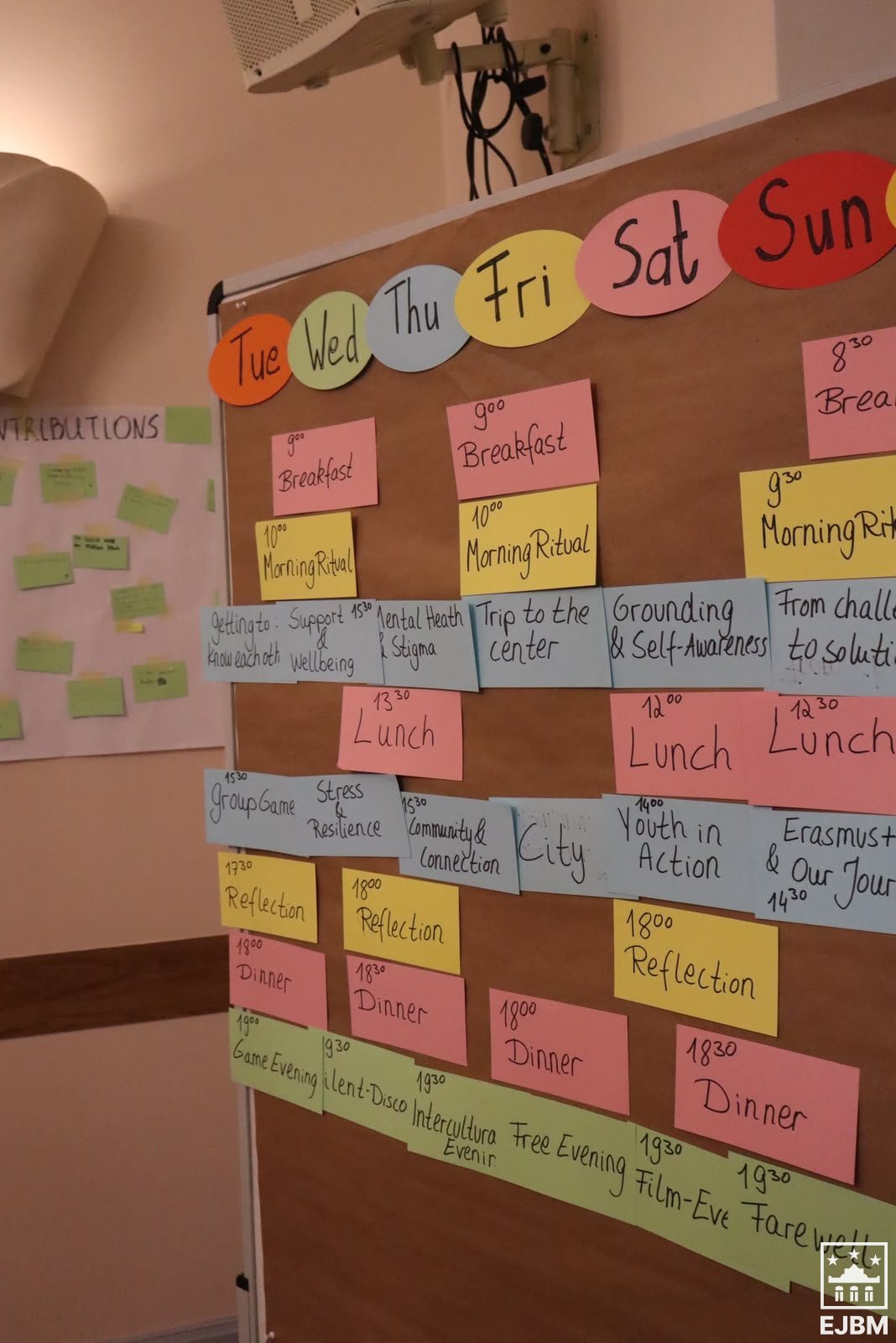
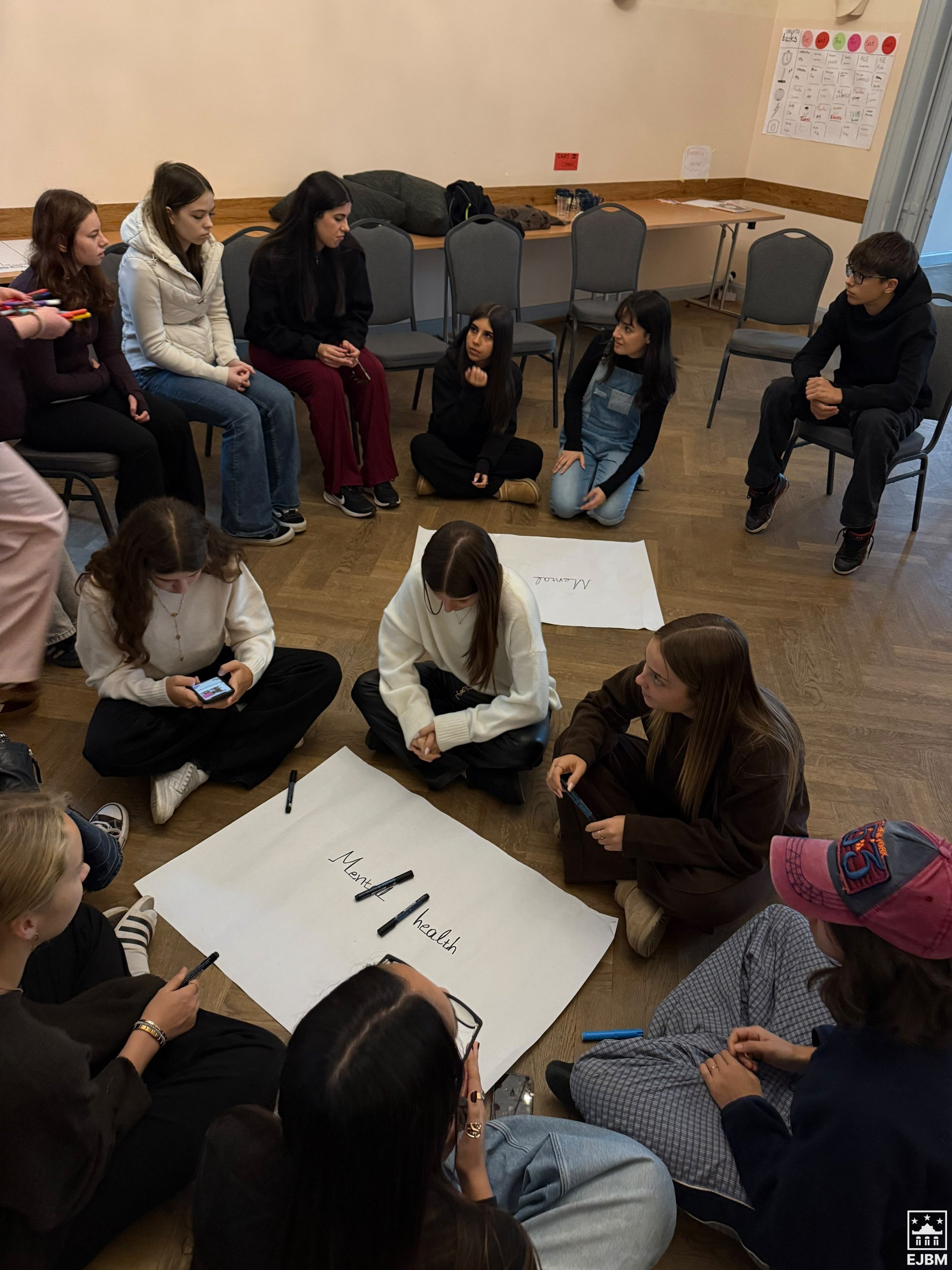
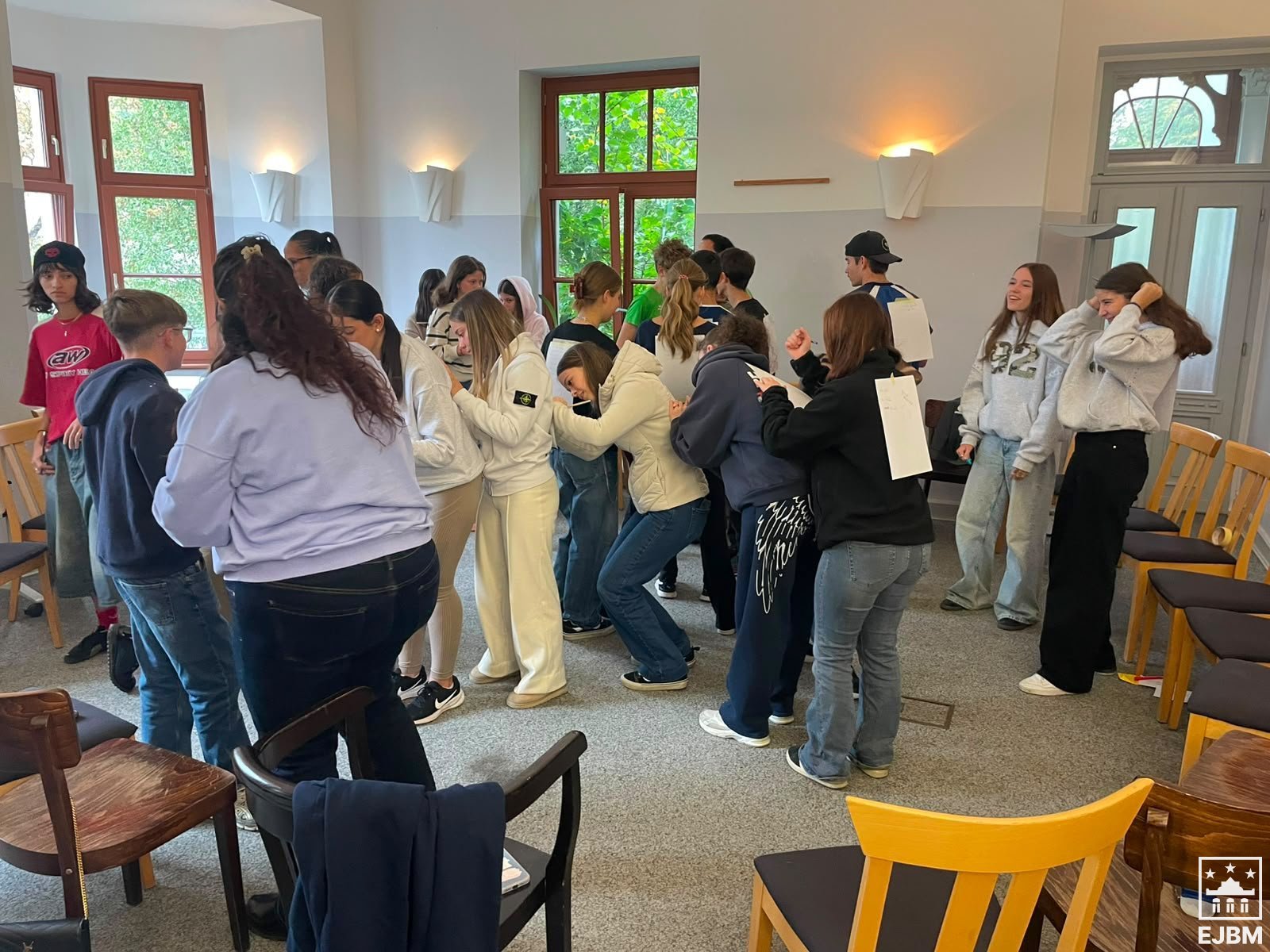
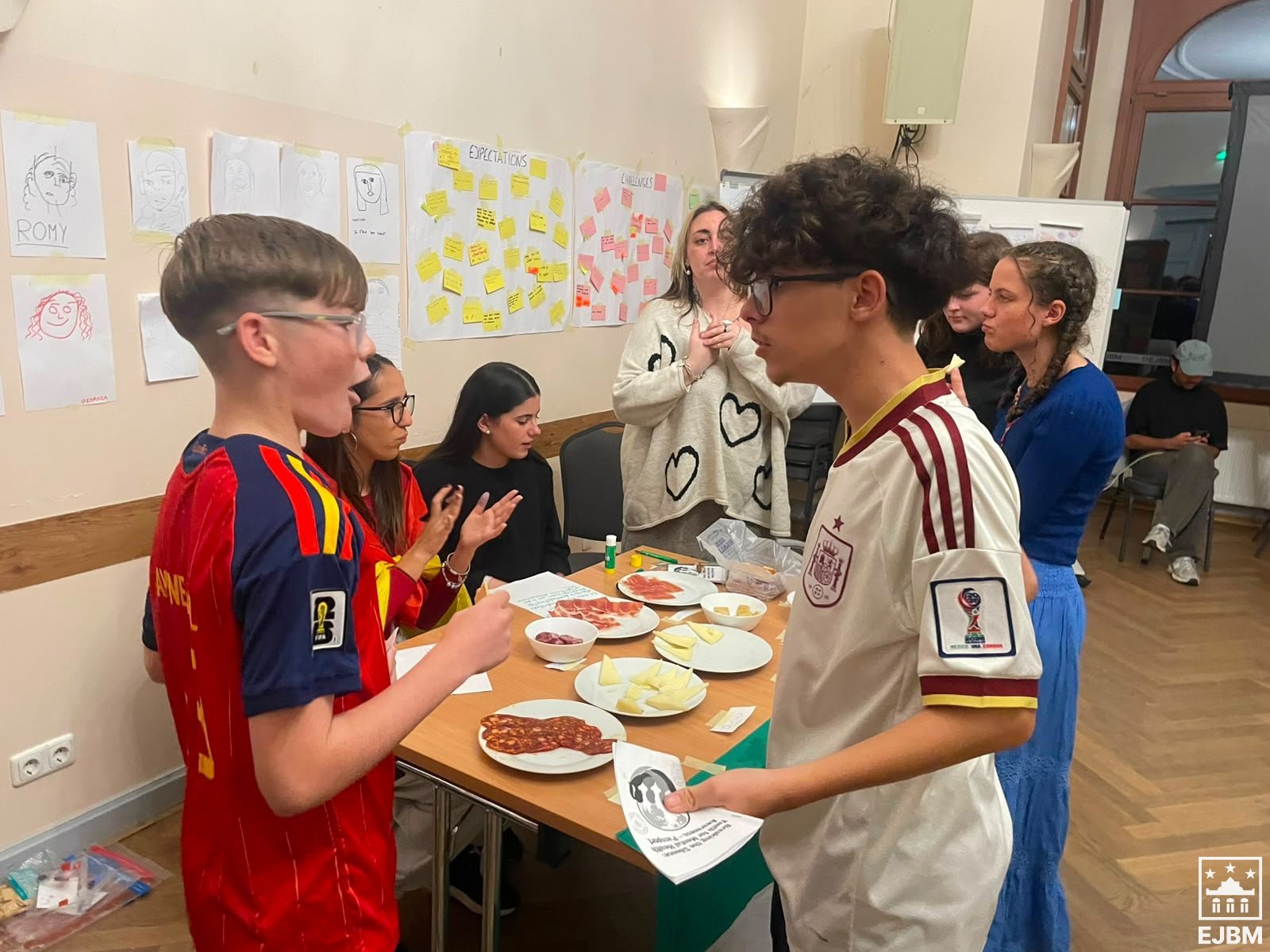
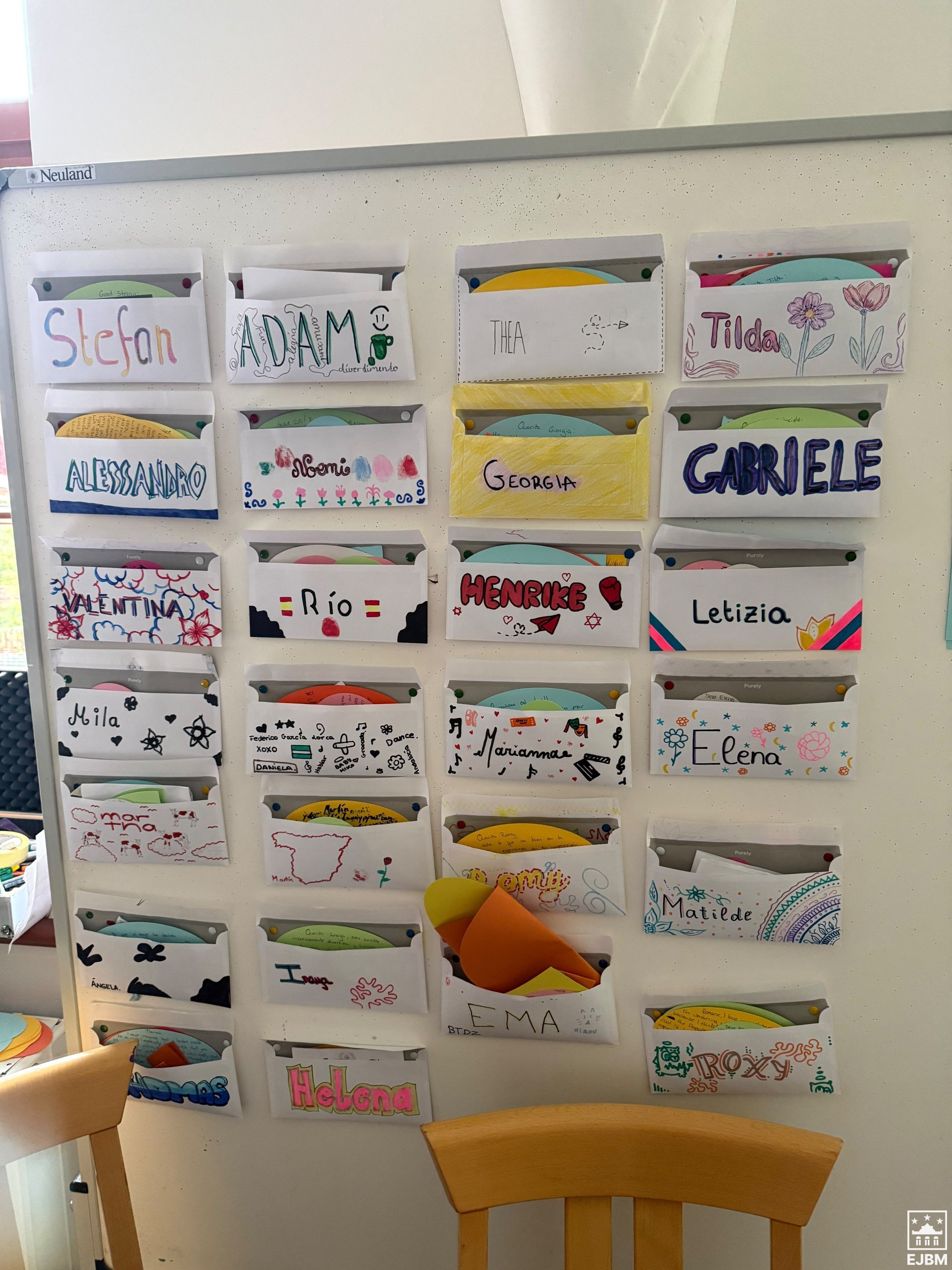
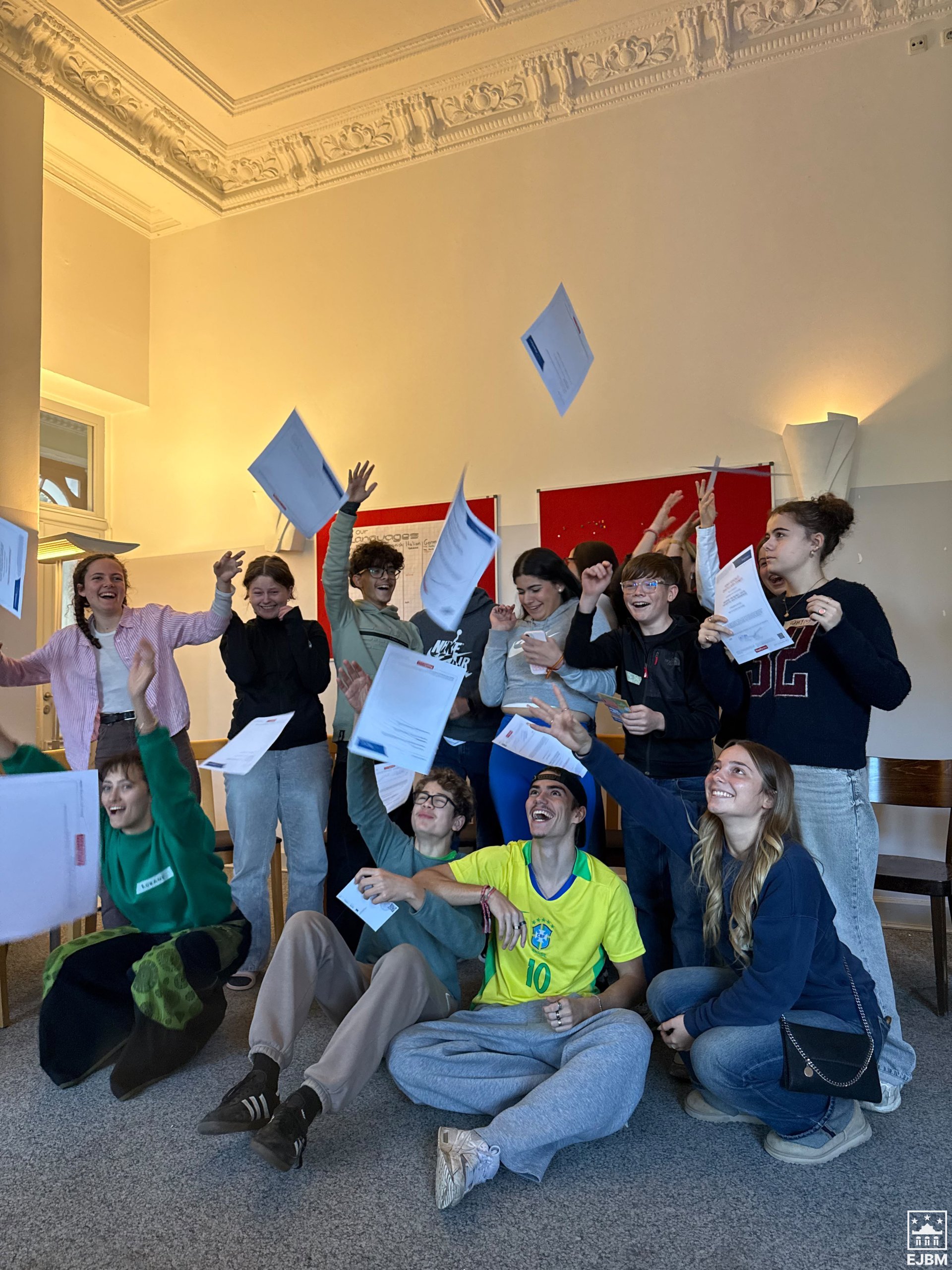
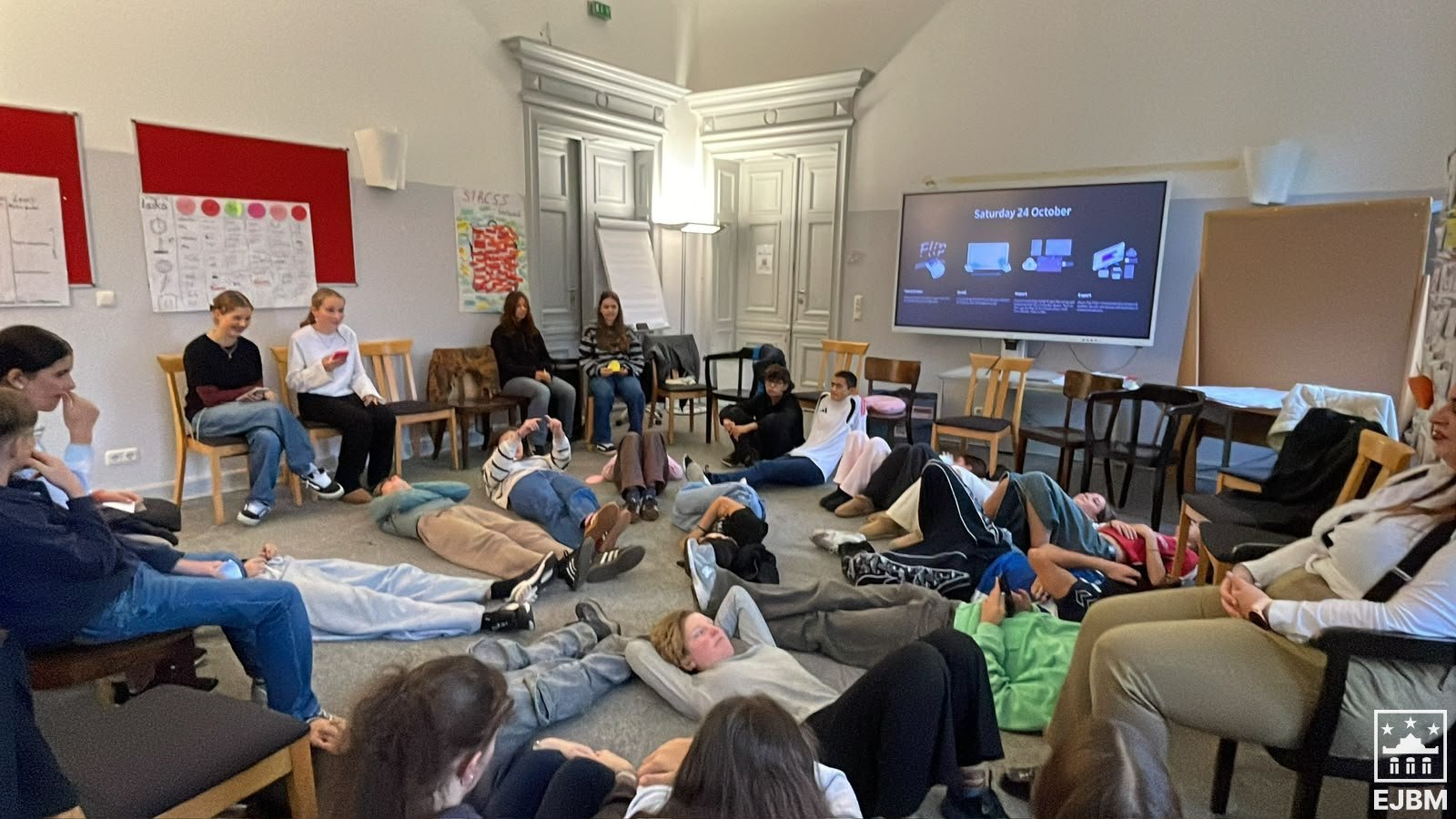
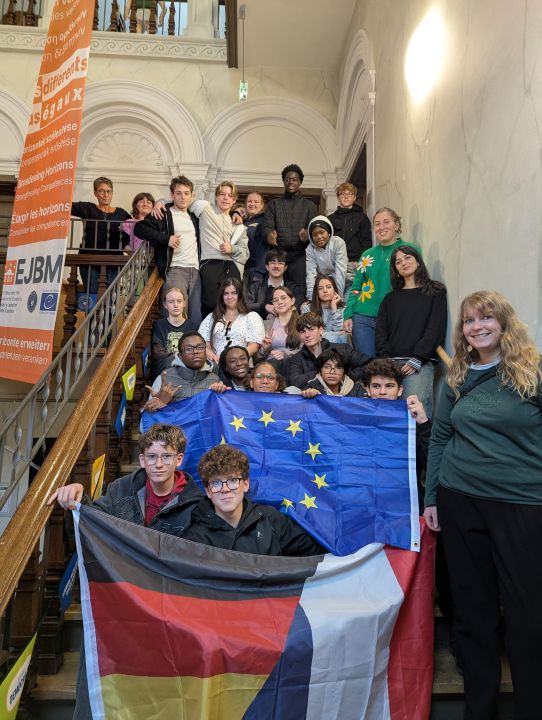
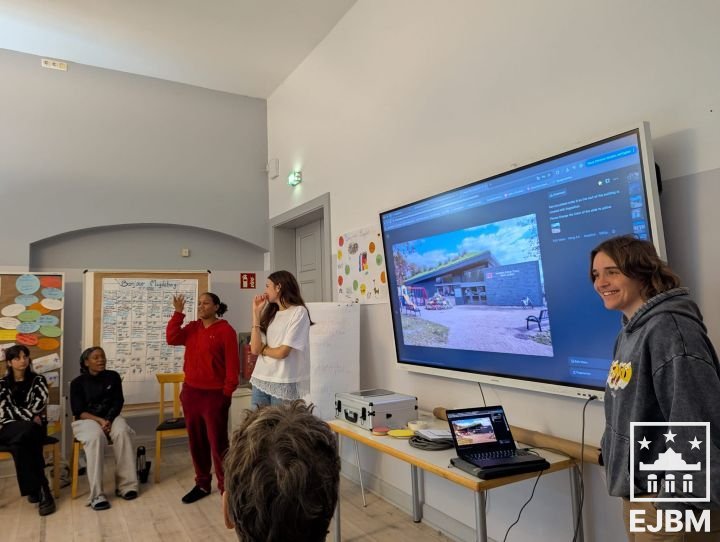
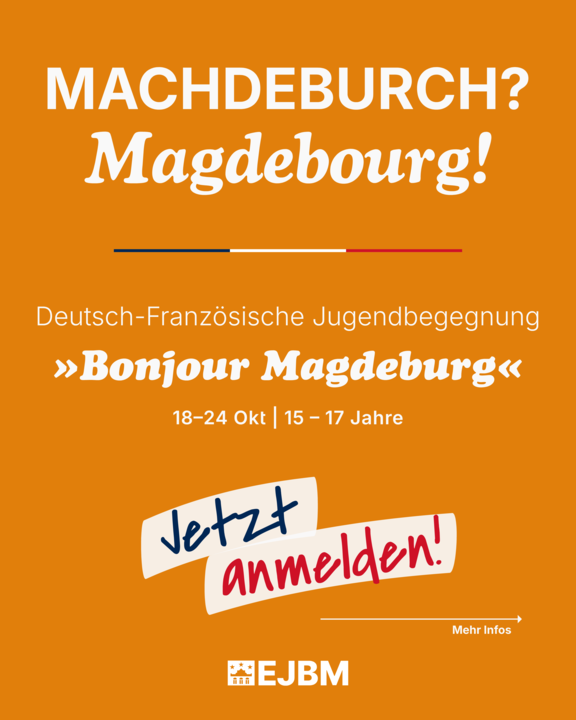
One city, two countries, and a shared history: From 18 to 24 October 2026, young people from Germany and France came together in Magdeburg to explore the city's Franco-German past. During the international youth exchange “Bonjour Magdeburg!”, participants discovered historical connections, explored lesser-known aspects of the city's history, and documented their findings through their own creative media projects.
Read more: Bonjour Magdeburg! – Discovering German-French History

Europäische Jugendbildungsstätte Magdeburg
bei der Bildungsnetzwerk Magdeburg gGmbH
Lüttgen-Ottersleben 18a
39116 Magdeburg


